Home Blog Page 79

देश को अब टू नहीं “वन चाईल्ड पॉलिसी” की जरूरत

0

हमारे देश में ‘हम दो, हमारे दो’ का कॉन्सेप्ट कई दशकों से चला आ रहा है. लोगों को जागरुक किया जाता रहा है, लेकिन अब देश मे टू चाईल्ड पॉलिसी की नही वन चाईल्ड पॉलिसी की आवश्यकता है. थोड़ी सख्ती भी बरतने की आवश्यकता है. आंकड़ों के अनुसार, भारत की आबादी के मामले में चीन के बाद दूसरे स्थान पर है. बीते कुछ दशकों में भारत में साक्षरता दर बढ़ने के साथ प्रजनन दर में कमी दर्ज की गई है. भारत में जैसे-जैसे साक्षरता बढ़ रही है, बड़ी संख्या में लोग बच्चे पैदा करने से पहले सभी स्थितियों का आंकलन कर ‘फैमिली प्लानिंग’ अपनाते हैं. जिसका सीधा असर प्रजनन दर पर पड़ता है. साल 2000 में प्रजनन दर 3.2 फीसदी था, जो 2016 में 2.4 फीसदी पहुंच गया था. भारत में जनसंख्या में वृद्धि की दर 1990 में 2.07 फीसदी थी, जो 2019 में 1.0 फीसदी पर आ चुकी है.

सरकार एक बच्चा होने पर छह हजार रूपये दूसरा बच्चा होने पर भी छह हजार रूपये की सहायता राशि दी जाती है अब ऐसी नीतियो से कैसे परिवार नियोजन अभियान सफल हो पायेगा. देश मे बढती आबादी के लिये लोगो की धारणा बन चुकी है कि ज्यादा बच्चे मुसलिम पैदा करते है अगर आंकडो की तरफ देखा जाये तो नेशनल फैमिली हेल्थ सर्वे 2015-16 के अनुसार जनसंख्या प्रति महिला 2.4 के करीब पहुंच चुकी है. हिंदुओं में ये संख्या 2.1 है और मुस्लिम समुदाय में 2.6 है. अगर 1992-93 के आंकड़ों के देखें तो पता चलता है कि तब प्रति महिला 3.8 बच्चों का औसत था. यानी करीब 30 सालों में ये संख्या करीब 1.4 कम हुई है. हां ये जरूर है कि हिंदू और मुस्लिम समुदाय के लोगों में बच्चे पैदा करने की संख्या का अंतर घटा है. अर्थात दोनों ही समुदायों ने परिवार नियोजन पर ध्यान दिया है और जनसंख्या नियंत्रण करने में अपना योगदान दिया है. 1992-93 में ये अंतर सबसे अधिक 33.6 फीसदी था, जो करीब 30 सालों में घटकर 23.8 फीसदी हो गया है.

काफी समय से भारत में चीन की तरह जनसंख्या नियंत्रण को लेकर कानून बनाने की मांग उठायी जाती रही है. जनसंख्या मे हुये असमान बदलाव जिस कारण चीन में बुजुर्गों की आबादी बढ़ने और वर्कफोर्स घटने के डर से चीन ने 2016 में  ‘वन चाइल्ड पॉलिसी’ को बदलते हुए ‘टू चाइल्ड पॉलिसी’ कर दिया और इसी साल  इसे ‘थ्री चाइल्ड पॉलिसी’ में बदल दिया गया है. 1979 में चीन की जनसंख्या लगभग 97 करोड़ थी जो अब तक बढ़कर लगभग 140 करोड़ हो चुकी है.आप सभी सोच सकते है कि अगर चीन ने 1979 में वन चाइल्ड पॉलिसी लागू नहीं की होती तो आज जनसंख्या लगभग 180 करोड पहुंच चुकी  होती. चीनी सरकार की वन चाइल्ड पॉलिसी से चीन ने करीब 40 करोड़ बच्चों को पैदा होने से रोका, जिसने जनसंख्या नियंत्रण में मदद की. चीन मे वन चाइल्ड पॉलिसी लागू करने के बाद फर्टिलिटी रेट तेजी से गिरा. चीन  सरकार ने उससे पहले से ही लोगो पर सख्ती करना शुरू कर दिया था.

जनसंख्या के हिसाब से चीन और भारत की आबादी मे ज्यादा अंतर नही है ये अंतर लगभग 5-7 करोड का है. मगर चीन का क्षेत्रफल भारत के क्षेत्रफल से तीन गुणा ज्यादा है. जितनी जगह मे चीन का एक व्यक्ति रहता है उतनी ही जगह मे भारत के तीन व्यक्तिओं को एडजस्ट करना पडता हैं. भारत की आबादी भले ही चीन से थोडी कम हो मगर इनका घनत्व बहुत अधिक है जिस पर शीघ्र जनसंख्या नियंत्रण करना आवश्यक है. भारत मे वन चाईल्ड पॉलिसी के लोगो को नुकसान और फायदे जनता को बताने साथ ही प्रोत्साहन के लिये बढावा देने की आवश्यकता है .ताकि लोगो मे इसके प्रति जागरूकता बढे और अपना फायदा दिखे.

उत्तर प्रदेश सरकार द्वारा जनसंख्या नियंत्रण कानून बनाने की चर्चा के बाद इसको धर्म और राजनीति के चश्मे से देखा जा रहा है. ये विडंबना है भारत में टू चाइल्ड पॉलिसी को अक्सर धर्म के चश्मे से देखा जाता है.लगभग हर धर्म के लोगों ने ही टू चाइल्ड पॉलिसी का विरोध किया है.जिस स्पीड से जनसंख्या मे वृद्धि हो रही है ये देश के लिए अच्छा नहीं होगा. हमारे देश मे जमीन, क्षेत्रफल, संसाधन सीमित है. तेजी से बढती जनसंख्या का बोझ ज्यादा बढ़ा तो फिर देश की तरक्की के रास्ते में रुकावट आयेगी. हम जिस स्पीड से जनसंख्या के मामले में बढ़ रहे हैं, तुलनात्मक तौर पर उस स्पीड से हमारी आर्थिक प्रगति नहीं हो रही है और ये गरीबी, अशिक्षा, कुपोषण, बेरोजगारी, प्रति व्यक्ति कम आय जैसी समस्याओं की एक बड़ी वजह है.

अगर हम दूसरे विकसित देशों से तुलना करते है तो ये पता चलता है ‘वो देश इसलिए विकसित हैं क्योंकि उनके पास संसाधनो की कोई कमी नही हैं, आर्थिक संपन्नता है और इसकी तुलना में जनसंख्या कम है.दूसरी तरफ भारत में जनसंख्या एक विकराल समस्या बनती जा रही है.राजनैतिक दलो ने अपनी सियासी महत्वाकांक्षाओं के कारण इस विषय को संवेदनशील बना दिया है. इस विषय पर कुछ भी बोलना राजनीतिक बंवडर खडा कर देता है. जब कभी भी इस विषय पर गंभीर चिंतन और विचार विमर्श हुआ है तभी वोट बैंक की पॉलिटिक्स के कारण राजनेताओं ने इस गंभीर विषय को राजनीतिक मुद्दा बना दिया हैं.

विपक्ष को चाहिए कि वो इस मुद्दे को सिर्फ सियासी चश्मे से न देखे और विपक्ष में होने से उनका कार्य सिर्फ विरोध न करना नही है. वहीं सबसे बड़ी जिम्मेदारी सत्ता पक्ष की भी  है, जिसे इस मामले सामाजिक एजेंडे के तौर पर लेना होगा. इसके लिए देश की सभी प्रमुख पार्टियों से विचार- विमर्श कर एक सटीक रास्ता निकालना होगा. तभी हम भविष्य की बड़ी चुनौती से निपट पाएंगे और आने वाली पीढ़ी को एक सुविधा सम्पन्न और विकसित राष्ट्र दे सकेंगे.

King’s Sceptre and Bishop’s Crook: The personal law conflict under Article 13

0

Introduction: What is Personal Law?

When human society first developed on an appreciable scale, the concept of a well-organized and efficient State exercising the tools of civil, political, and coercive power was not as well-developed as it is today. The political machinery we are so accustomed to seeing today existed perhaps only in the form of loose tribal hierarchies of clans and chiefs vying for dominance. Thus, the influence of the ‘government’ and, by extension, public law, was limited in day-to-day life.

The traditional role of the law, thus, in acting as the arbiter between persons, was taken over by an institution far more pervasive and powerful: religion. Religious scholars and documents acted as a guidebook for people to learn social mores from, provided ways of appeasing the gods for sins real or perceived, prescribed rules of procedure and punishment, and acted as the moral anchor for society and public life.

Even as governance institutions became more and more powerful, they continued to rely on religious bodies for granting legitimacy and support to their rule: even under the all-powerful feudal monarchy, the Church was the one who affirmed the king’s right to rule by interpreting the authority of God. And they did not walk away from it unenriched either: the Church controlled vast estates through its many parishes and monasteries, and enjoyed near-exclusive jurisdiction over many matters of civil law such as marriage, census, incest, childcare, and financial crime. The papacy could even excommunicate rulers who acted against its interests by disclaiming them of the legal right to rule.

This symbolically freed the people from their oaths of fealty to him: a dangerous proposition for a king at the mercy of a deeply religious populace. It is no coincidence that a cementing of State power correlated with a concerted effort worldwide to regulate or remove the powers wielded by traditional religious institutions. Yet it was impossible to fully remove religious consciousness and solidarity from society, ingrained as they were in the morality, culture, values, and rituals of social life. Societal expectations and habits had formed up under eons of religious supervision. Therefore, a need was felt to maintain some form of continuity.

Many countries elected to adopt their societal views on civil affairs into a single unified code of civil law covering personal matters such as marriage, inheritance, adoption, and guardianship, apparently an unbiased rational-legal code to govern all disparate populaces under their rule by the same standards. Others, India included, adopted a more non-assimilatory approach, creating separate personal law codes for the major communities present within their population so they may continue to enjoy the same inter-personal dynamics that they had enjoyed uninterrupted for so many years.

This was intended to avoid the abrupt disruption caused by a unifying law, but lawmakers remained cognizant of the eventual need for a ‘one nation, one civil code’ paradigm. Whether in a uniform or community-centric form, this body of law governing personal dynamics, predominantly within family structures, came to be known as personal law.

Article 13 and Personal Law: The Conflict

Article 13 of the Constitution of India states as follows:

“(1) All laws in force in the territory of India immediately before the commencement of this Constitution, in so far as they are inconsistent with the provisions of this Part, shall, to the extent of such inconsistency, be void.

(2) The State shall not make any law which takes away or abridges the rights conferred by this Part and any law made in contravention of this clause shall, to the extent of the contravention, be void.

(3) In this article, unless the context otherwise requires, —

       (a) “law” includes any Ordinance, order, bye-law, rule, regulation, notification, custom or usage having in the territory of India the force of law;

       (b) “laws in force” includes laws passed or made by a Legislature or other competent authority in the territory of India before the commencement of this Constitution and not previously repealed, notwithstanding that any such law or any part thereof may not be then in operation either at all or in particular areas.

(4) Nothing in this article shall apply to any amendment of this Constitution made under article 368.”

Thus, this Article lays down the requirement upon the State to keep the Fundamental Rights contained in the constitution unmolested while legislating. Any law made that contravenes the provisions contained in this Part of the constitution are ultra vires and void. Amendment or abridgement of Fundamental Rights can only be done through an amendment to the Constitution itself; the power to do so is granted to the Parliament of India. However, the quarrel arises in the case of personal law, as the majority of it is not codified as a legislative enactment, but contained in scattered form across a wide variety of sources, including:

  • Sacred texts and manuals;
  • Customs and Usages;
  • Commentaries by religious scholars;
  • Royal or priestly edicts;
  • Parables and legends;
  • Equitable principles.

In such a situation, it becomes difficult to determine whether the bar in Article 13 should apply to such uncodified laws as well; even where the statute mentions customs and usages in its purview, it is unclear if the ordinary customs of the land have ‘the force of law’ required to attract this Article. Reframed, the question stands as follows:

Are personal laws obligated to respect Fundamental Rights?

Judicial Position

The first opportunity for the judiciary to examine this question came up in 1952 with the case of The State of Bombay v. Narasu Appa Mali. Here, the petitioner challenged the validity of the Bombay Prevention of Bigamous Hindu Marriages Act, 1946, on the grounds that it violated the fundamental rights of Hindus to equal treatment by the State and freedom to practice their religion. The Bombay High Court rejected this argument as the expression ‘law in force’ in Article 13 could not be construed to contain personal law within its ambit.

Justice Gajendragadkar stated that “the expression “laws in force” is, in my opinion, used in Article 13(1) not in that general sense. This expression refers to what may compendiously be described as statutory laws”. This ratio has never been challenged insofar as it extends to uncodified law. In fact, in Krishna Singh v. Mathura Ahir, the Supreme Court stated that “Part III of the Constitution does not touch upon the personal laws of the parties”, and that personal laws shall not be measured by the touchstone of modern conceptions but by those of authoritative Hindu law. The same was reiterated in Maharshi Avadhesh v. Union of India, wherein the Supreme Court rejected a writ petition praying for the introduction of a Uniform Civil Code (UCC), stating that the matter of personal laws was one of legislative policy and not for the judiciary to decide.

However, in Sant Ram v. Labh Singh, the Supreme Court held that where a custom or usage has been used in furtherance of a legal end, such custom acquires the force of law within the meaning of Article 13(3)(a) and is thus subject to the restrictions of Fundamental Rights. Similarly, in John Vallamattom & Anr. v. Union of India, the Supreme Court held that codified personal laws were ‘laws’ within the meaning of Article 13 and could be challenged on the grounds of Fundamental Rights.

The first real anticipation that the court was willing to take another look at the Narasu judgement was kindled when Shayara Bano v. Union of India was heard on the issue of declaring triple talaq unconstitutional. However, the bench took a different route. Justice Nariman and Justice Lalit, penning the majority opinion, held that by the Shariat Act of 1937, all forms of talaq permitted under Muslim law was given a place in codified statute, and thus would be amenable to judicial review as per the ratio in previous rulings such as John Vallamattom.

Justice Joseph, while agreeing with the majority, avoided the constitutional issue entirely by judging Talaq-i-Biddat as unsound in Muslim law itself. He relied on the commentaries of Islamic law and legal scholars to pronounce that it was religiously disapproved and thus not unamenable to judicial restriction.

On the other hand, Justice Khehar, writing the opinion for the two-judge minority, stuck to the Narasu ratio and proclaimed that the issue was beyond the mandate of the court as it was uncodified personal law. While this attracted harsh criticism from many reformist quarters, the Supreme Court upheld its self-censorship and refused to wade into the muddy waters of personal law.

Recently, however, the Court took perhaps a step too far in the judgement of India Young Lawyers’ Association v. State of Kerala, better known as the ‘Sabarimala case’, where it decided to bring the customary religious practices of the Sabarimala temple into the ambit of Article 13. The reasoning of the majority judgement indicated that the Supreme Court is now amenable to questioning the Narasu ratio.

Criticizing Justice Gajendragadkar’s approach of excluding custom and usage from Article 13, Justice Chandrachud stated that “custom or usage cannot be excluded from ‘laws in force’. The decision in Narasu also opined that personal law is immune from constitutional scrutiny. This detracts from the notion that no body of practices can claim supremacy over the Constitution”.

Additionally, while he steadfastly refused to consider the issue of whether Narasu was good law, Justice Nariman expressed doubts as to its correctness, stating that “in a suitable case, it may be necessary to have a relook at this judgment in that the definition of “law and “laws in force” are both inclusive definitions, and that at least one part of the judgment of P.B. Gajendragadkar, J., (para 26) in which the learned Judge opines that the expression “law” cannot be read into the expression “laws in force” in Article 13(3) is itself no longer good law”.

Conclusion

In this author’s submission, the pre-Sabarimala case position of law is the appropriate one: uncodified personal law is not enacted by the State but is contained in the lives and practices of the people. No organ of the government has any power to abridge or ameliorate them, as religious authority is not derived from their statutory mandate. Only by an act of codification and legislative enactment can an issue of personal law come under the ambit and oversight of State power, and in such a case this law shall be and should be subject to the same tests as any ordinary law of the legislature. Beyond that, the religious practices of the people are under no obligation to conform to any rational-legal understanding of rights and duties, guided as they are by the morality of, and solely of, their scriptures and holy sources of law.

Secular logic cannot be applied to inherently religious activities and sites, such as temples, as doing so is a denial of their right to live by the rules prescribed by their own religion and constitutes the government forcibly soiling the practice of their prescribed rites. In the modern world, it is undeniable that the State occupies a position of superior power over the Temple; however, this power must be exercised by using the political tools given to it to appropriately control and regulate the lives of the populace. Strongarming religion by the might of the royal baton is an unnecessary victimization.

Population explosion, changing demography and Taxpayers’ concern

Abstract: Population explosion is a national concern and needs a proper and sincere attempt to curb it. At the same time “population imbalance” should not be allowed to happen. It is worth noting that we require a healthy, educated, skilled, and nationalistic population for the development of the nation. Taxpayers’ concerns about population explosion also deserve immediate attention.

World Population Day is an annual event celebrated every year on 11 July. The event strives to raise awareness of global population issues. The event was established by the Governing Council of the United Nations Development Programme in 1989 [1]. It is celebrated all over the world, including in India. Articles are written, and seminars are organized on this occasion on the issue of population pressure on the globe. But nothing fruitful happens on the ground, and people forget the issue and postpone it to the coming years.

It has been happening for the last several decades. In less than 70 years, the population of India exploded from 40.99 Cr. in 1955 to 140.08 Cr. in 2022 [2]. At the same time, the demographic alteration and many known and unknown problems grew [3]. However, society and the political system keep postponing the solution deliberately.

CM Yogi on population imbalance

The country will remember Chief Minister Sri Yogi’s address on World Population Day 2022. His messages on population explosion and resulting nationwide demographic changes are loud and clear [4]. CM Yogi in his speech on 11 July said the population control programme must go ahead successfully but at the same time “population imbalance” should not be allowed to happen. Speaking at a function to mark the commencement of “population control fortnight”, he noted, “When we talk about the family planning/population stabilization, we have to keep in mind that the population control programme must go ahead successfully, but at the same time, a situation of population imbalance should not be allowed to happen”.

This is the second incidence when the hidden threat is exposed by any CM. Prior to this, on September 30, 2021, Chief Minister of Assam, Sri HimantaBiswaSarma flagged off concerns about changing demographics in the border districts and the influence of illegal immigrants on election results [5]. He stated that the illegal Muslim immigrants from Bangladesh have a clear strategy to take over 3-5 constituencies each election by increasing their population and eventually grabbing power in the state after a few decades.

The Uttarakhand government has said that the rapid rise in population is causing demographic changes in certain areas of the state. This is resulting in the migration of several communities from those places as well as posing a threat to communal peace [6]. However, this is not only happening in Assam or certain pockets of the Country. These are open secrets and many agencies, within and outside the nation are working on the “Ghazwa-e- Hind” agenda [7]. The recent arrest of PFI activists from Patna has once again exposed the (open) secret plan of Islamization of the nation [8]

Muslims are the fastest growing population

The Proportion of the population of different communities to the total population (PP) in 2011 and the Population growth rate in the decade 2001-2011 have been presented in Tables 1 and 2 respectively.

HinduMuslimSikhBuddhistChristians and Janis
-0.70.8-0.2-0.10.0
Table 1. The proportion of population to population (PP) in 2011 (India), in Percentage Point [Population trends for major religious groups in India (1951–2011)[9].

TotalHinduMuslimChristiansSikhsBuddhistJain
17.716.824.615.58.46.15.4
Table 2.The population Growth rate in the decade 2001-2011 (India)

The data indicate that Muslims have the fastest population growth rate. Such a fast population growth may upset the demography of the nation. The proportion of the Hindu population to the total population (PP) in 2011 declined by 0.7 percentage points (Table 1). The overall growth rate in the decade 2001-2011 was 17.7%. The growth rate of different communities in the same period is cited in Table 2.

The recent studies by Dr JK Bajaj found that Indian Muslims have been growing at a faster rate since independence, while the rise in the population of other religions has been consistently subdued [10]. The studies show that there has been a sharp drop in the population of Sikhs, Jains, and Buddhists. It is the responsibility of all the Governments and individuals to retain the demographic structure of the country and regions. The first census in independent India may be taken as a benchmark for the national demographic structure.

Population imbalance and criminal activities

Yogiji’s opinion on changing demography and resulting law and order problems is genuine. Ignoring this aspect of population control may be fatal for national growth and integrity. CM has rightly highlighted the issue of demographical changes occurring in Uttar Pradesh and different parts of the nation. It is also true that such changes threaten national security and create a law-and-order issue.

Many villages and localities are suffering from population imbalance. Such localities are becoming the epicenter of several criminal and anti-national activities [11]. Jahangirpuri of Delhi was in news recently. This locality of Delhi is inhabited by over 10,000 West Bengalis (actually Bangladeshi families), the majority (95%) of whom are Muslims. The population imbalance and attempt of the police to reclaim illegal encroachment are the reasons behind the communal riot, stone pelting on police, etc.[12]. The root cause behind the 2012 indigenous Assamese-Muslim riot was actually due to changing demography, loss of land, livelihood, and intensified competition for political power, cultural and social existence in their own motherland [13].

Need for a skilled human resource

Chief Minister Yogi Adityanath said that UP has improved its record in maternal mortality rate and infant mortality rate as compared to earlier[14]. Yogi said that Uttar Pradesh has given excellent results in the last five years, but it needs to be improved further. The population of Uttar Pradesh is around 25 crores. It can be the fifth largest country in the world in terms of population. Yogi said that many problems remain in the state due to the increased population. It is worth noting that we require a healthy, educated, skilled, and nationalistic population for the development of the nation. Such a population can be an asset; on the other hand, vulnerable, uneducated, unskilled, and irresponsible citizens are liabilities and sometimes a threat to national security. He said a skilled human resource is a boon but an unskilled human resource becomes a liability and curse. A nation should work to stabilize the population and that will be only possible when a sensible government is allowed to proceed forward.

Taxpayers’ concerns about population explosion

Population explosion is a national (as well as global) concern and needs a proper and sincere attempt to curb it. However, a group of people deliberately maintain large-sized families. Some of them highlight their family size as their achievements. On the other hand, poor taxpayers’ concerns and opinions are ignored [15]. It is also a fact that the middle class mostly maintains small families and contributes substantially to running welfare schemes. I welcome the proposal of UP Govt. to stop subsidies to families of more than two children. It needs to be implemented retrospectively (e.g., from 2012 onwards). In other words, the family whose youngest child is above 10 years of age may also be deprived of the benefit of the subsidy.

After all, the instruction to keep the family small has been given for decades. Though this may appear inappropriate to a section of society and politicians, this is perfectly proper in the interest of the nation. Even if the subsidies are stopped today, such families will keep enjoying the national resources thereby upsetting the development graph and polluting nature. Why do the nation and honest taxpayers suffer for the deeds of someone else? Therefore, large-size families (say, families of six or more children) may be subjected to additional taxation. It may be noted that taxpayers pay taxes to the governments for national safety/ security, infrastructural development, education, healthcare, and other developments.

But, unfortunately, a giant share of the tax collection is used to fill the belly of large-size families. If Governments do not have the guts to control family size and strictly implement family planning schemes and impose taxes on large-sized families, then income-tax payments should be optional. If it is one’s personal right to have children, should not it be their responsibility to raise them [16]? Why taxpayers are burdened for the deeds of irresponsible citizens and sometimes illegal migrants?

It is also a reality that children of large size families are usually deprived of proper nurturing, healthcare, education, and family/ social governance. As a result, children from such families get indulged in anti-social and anti-national activities. This is an important and well-known issue, usually ignored by lawmakers. It is also desirable to monitor the activities of those children and families.

Please remember, to control the population of the nation and push its growth engine, some hard and unpopulestic actions are essential.

चालबाज चीन के चंगुल में फंसता गया श्रीलंका 

0

भारत हमेशा से अपने पड़ोसियों और मित्रोँ का हितैषी रहा हैं, भारत की वसुधैव कुटुम्बकम् नीति रही हैं। श्रीलंका में जो हालत हैं, भारत उससे भली-भांति अवगत हैं, साथ ही ये भी जानता हैं कि चालबाज़ चीन की नजर श्रीलंका पर हैं, श्रीलंका में उभरे आर्थिक संकट के बाद भारत ने श्रीलंका को चीन की चालबाजियों से बचाने लिए श्रीलंका को आर्थिक और ऊर्जा संकट से निपटने सहित ईंधन, भोजन और दवाओं की खरीद के लिए करोड़ों डॉलर की मदद की है। भारत ने श्रीलंका में बिजली कटौती के संकट को कम करने के लिए 40,000 मीट्रिक टन डीजल की चार खेप भेजी। साथ ही 65,000 टन खाद और 40,000 टन चावल भी भेजा गया। जनवरी बाद से श्रीलंका के साथ द्विपक्षीय समझौतों पर भी हस्ताक्षर हुए। इनमें त्रिंकोमाली ऑयल टैंक फार्म्स तक इंडियन ऑयल कॉर्पोरेशन की पहुंच आसान बनाना शामिल है।

भारत के श्रीलंका के साथ पुराने सांस्कृतिक संबंध तो हैं ही, चीन की कूटनीति से निपटने में भी भारत के लिए श्रीलंका अहम है। पिछले 15 सालों से भारत और चीन, दोनों श्रीलंका को अपने कूटनीतिक और व्यापारिक संबंधों में तरजीह देते आए हैं। इसकी बड़ी वजह हिंद महासागर में श्रीलंका की भोगौलिक स्थिति है, जो रणनीतिक तौर पर बेहद महत्वपूर्ण है।श्रीलंका के साथ बेहतर संबंध व्यापार के अलावा समुद्री सीमा में सामरिक दृष्टिकोण से भी बेहद अहम है। दरअसल, साल 2005 में महिंदा राजपक्षे के प्रधानमंत्री बनने के बाद श्रीलंका का झुकाव चीन की तरफ बढ़ा और घरेलू आर्थिक विकास के लिए उन्हें चीन ज्यादा विश्वसनीय साझेदार लगा। श्रीलंका को चीन को कर्ज नहीं चुकाने पर पोर्ट के साथ 15 हजार एकड़ जमीन सौंपनी पड़ी। 

इसके बाद से श्रीलंका की अधिकांश विकास योजनाओं का काम चीन को मिला, जिसमें हंबनटोटा पोर्ट और कोलंबो गाले एक्सप्रेसवे शामिल हैं। 2014 में चीन के राष्ट्रपति शी जिनपिंग ने कोलंबो का दौरा किया तो इसे भारत के लिए स्पष्ट कूटनीतिक संकेत माना गया था। जिनपिंग के श्रीलंका दौरे के बाद अगले ही साल प्रधानमंत्री नरेंद्र मोदी ने श्रीलंका का दौरा किया।

2005 से 2015 तक श्रीलंका के राष्ट्रपति रहे महिंदा राजपक्षे को देश में 30 साल से जारी गृह युद्ध को खत्म करने का श्रेय तो दिया जाता है, पर श्रीलंका के कर्ज के बोझ तले दबने के लिए भी उन्हें ही जिम्मेदार माना जाता है। राजपक्षे के बारे में कहा जाता है चीन के लिए उनका ज्यादातर मामलों में हां में ही जवाब होता था। न तेल खरीदने के लिए पैसे। श्रीलंका पर भारी विदेशी कर्ज का बोझ है और वो किस्तें चुकाने में असमर्थ है। ऐसे में आपूर्तिकर्ता उधार तेल देने से मना कर रहे हैं।

श्रीलंका में बुनियादी चीजों की भारी किल्लत है। इससे 60 लाख लोग भुखमरी के कगार पर आ गए हैं। ऐसे जटिल हालात पर संयुक्त राष्ट्र ने चिंता जाहिर की है। विश्व खाद्य कार्यक्रम (डब्ल्यूएफपी) के नए खाद्य असुरक्षा आकलन के मुताबिक, श्रीलंका में 10 में से तीन परिवार इस बात को लेकर चिंतित हैं कि उनका अगला भोजन कहां से आएगा। डब्ल्यूएफपी ने चेतावनी देते हुए ये भी कहा है कि पोषण की कमी गर्भवती महिलाओं के लिए गंभीर परिणाम लेकर सामने आएगा। वहीं, श्रीलंका में लगभग 61 प्रतिशत परिवार नियमित रूप से जीवन यापन के लिए लागत में कटौती की तैयारी कर रह हैं। कई ऐसे परिवार हैं जो भोजन की मात्रा को कम कर रहे हैं। कई लोग पौष्टिक भोजन लेने से बचते दिख रहे हैं। संयुक्त राष्ट्र की खाद्य राहत एजेंसी का अनुमान है कि और भी लोग उस सूची में शामिल होंगे, जिन्हें इस संकट से जूझना पड़ रहा है।

नेताजी की बेटी अनीता बोस फाफ ने मोदी सरकार से बोस के अवशेषों को भारत लाने की मांग की

0

Subhas Chandra Bose: स्वतंत्रता दिवस के मौके पर पूरा देश नेताजी सुभाष चंद्र बोस (Subhas Chandra Bose) को याद किया। इस बीच जर्मनी में रहने वाली नेताजी की बेटी अनीता बोस फाफ ने मोदी सरकार से बोस के अवशेषों को भारत लाने की मांग की। अनीता ने कहा कि नेताजी के पूरे जीवन में देश की आजादी से ज्यादा महत्वपूर्ण कुछ नहीं था। दरअसल, सुभाष चंद्र बोस की मौत एक रहस्य है कई लोगों ने दावा किया कि उनकी मौत एक हवाई दुर्घटना में हुई। उनके अवशेष तब एक जापानी अधिकारी द्वारा एकत्र किए गए थे और टोक्यो में रेनकोजी मंदिर में संरक्षित किए गए। तब से पुजारियों की तीन पीढ़ियों ने अवशेषों की देखभाल की है।

नेताजी की मृत्यु सबसे बड़ा रहस्य :

अनीता बोस लंबे समय से कह रही हैं कि नेताजी के अवशेष रेंकोजी मंदिर में है उनके कई भारतीय रिश्तेदारों ने भी सरकार से कई बार यह पता लगाने का अनुरोध किया कि नेताजी ताइवान से कहां गए थे? ऑस्ट्रिया में जन्मी सुभाष चन्द्र की बेटी अनीता बोस फाफ है व उनकी माता का नाम एमिली शेंकल है। अनीता बोस फाफ केवल चार महीने की थी, जब नेताजी अंग्रेजों से लड़ने के लिए जर्मनी से दक्षिण पूर्व एशिया चले गए।

इंडिया टुडे के दौरान एक इंटरव्यू में अनीता से जब पूछा गया कि क्या वह इस बात को मानती हैं कि 18 अगस्त 1945 को ताइपे के ताइहोकू एयरोड्रोम के पास हुई विमान दुर्घटना में उनके पिता की मृत्यु हो गई थी?

इस पर उनका कहना है ‘मेरा मानना है कि इस बात की काफी आशंका है कि उनकी मृत्यु की वजह विमान दुर्घटना हो ‘लेकिन वह टोक्यो के एक बौद्ध मंदिर में कलश में रखी अस्थियों का डीएनए परीक्षण करवाना चाहती हैं ताकि पता लगाया जा सके कि ये नेताजी की हैं या नहीं।

डीएनए टेस्ट की मांग

79 वर्षीय अनीता बोस ने कहा कि वह टोक्यो में एक मंदिर में संरक्षित नेताजी के अवशेषों के डीएनए टेस्ट के लिए तैयार हैं। उन्होंने कहा कि मंदिर के पुजारियों और जापान सरकार को भी मुकदमे से कोई आपत्ति नहीं है। वे अवशेष सौंपने के लिए तैयार हैं।

लोगो से अपील:

अनीता ने अपने बयान में भारत, पाकिस्तान और बांग्लादेश के लोगों से अपील करते हुए कहा कि नेताजी के जीवन में उनके देश की आजादी से ज्यादा महत्वपूर्ण कुछ नहीं था। अब समय आ गया है कि कम से कम उनके अवशेषों को भारत की धरती पर लौटाया जा सके।

Azadi ka Amrit mahotsav (AKAM)

0

The image of the Rani Laxmibai riding a horse with her 8-year-old son Damador Rao tied on her back with a cloth battling Britishers is sketched in everyone’s mind. Sadly, after Independence no government ever tried to seek an answer to the question …..What happened to the minor Prince of Jhansi after Laxmibai’s martyrdom?

Only a handful are aware that the Queen’s son Damador Rao and his next 5 generations lived an anonymous life in Indore that prides itself for being called Ahilya Nagari.

With no government or public help forthcoming, the first two generations of Queen’s descendants spent their life in a rented house in abject poverty. No effort was ever made to locate them.

In fact, the Queen’s descendants were staying in the city till 2021. Later, they shifted to Nagpur, where the sixth generation descendant now works in a software company and prefers to lead an anonymous life. They have kept their association with Jhansi alive by attaching the moniker Jhansiwale in their name.

Software engineer Yogesh Arun Rao Jhansiwale (44) is the sixth generation member of Queen Laxmibai’s family. He currently lives in Nagpur with his wife Preet and two kids Preeyesh and Dhanika. His father Arun Rao Jhansiwale too lives with him. Arun Rao, who retired as an assistant engineer in the then MP Electricity Board (MPEB), owns a house in Dhanwantri Nagar in Indore.

Damador Rao breathed his last on May 20, 1906 at the age of 57, leaving behind his son Laxman Rao Jhansiwale, who was given a pension of Rs 200 per month by the Britishers. After the country attained independence on August 15, 1947, the then government asked Laxman Rao to vacate the house in the Residency area. The descendants of Rani Laxmibai had no option but to shift to a rented house in Peergali area of Rajwada, Indore.

Queen of Jhansi’s grandson worked as a freelance typist in the district court. As penury struck, the family often slept on an empty stomach. He left this world in extreme poverty in 1959 leaving behind son Krishna Rao Jhansiwale and daughter Chandrakanta Bai. Krishna Rao, the great grandson of the Queen, worked as a steno-typist in Hukumchand Mill in Indore. He used to receive a pension of Rs 100 per month from the Central and UP government. After spending his entire life in the same rented house, Krishna Rao died in 1967. After his demise, the Central and the UP government discontinued the pension of the descendants of the Queen.

His son Arun Rao Jhansiwale was an engineer and joined MPEB. In 1994, he purchased a house in Dhanwantari Nagar in Indore. In fact, after Queen left Jhansi with son Damodar Rao, the family had to wait for five generations to own a house.
Arun Rao Jhansiwala (blue kurta) with his son Yogesh Rao Jhansiwala (red kurta) his daughter-in-law Preet and her two kids Preeyesh and Dhanika Rao Jhansiwala.

जाने आखिर क्यों नही देखनी है आपको आमिर खान की लाल सिंह चड्ढा

आप अगर लाल सिंह चड्ढा मूवी नहीं देखेंगे तो आपके जीवन में कुछ भी फर्क नहीं पड़ेगा पर अगर आप लाल सिंह चड्ढा मूवी देखने सिनेमा हाल में जायेंगे तो आप अपने देश, धर्म, समाज, हमारी सेना उसके जवान और हमारी आने वाली पीढ़ी के अपराधी बनेंगे।

हमारी सबसे बड़ी गलती ये है की हमारे भूतपूर्व राजनेताओंने एजुकेशन सिस्टम को वामपंथी कम्युनिस्टों के हाथ में दे दिया और बॉलीवुड TV या मनोरंजन दुनिया को पाक परस्त जिहादियों के हाथ में दे दिया।

ये लोग बहोत ही छिपे तरीके से हमारे भोले भाले लोगो को, हमारी आने वाली पीढ़ी को अपने अजेंडे का शिकार बनाते है और हिन्दू मानसिक रूप से बहक जाते है, अपने देश धर्म संस्कृति से दूर जाते है।

अकबर खान की मूवी ८६ में पाकिस्तानी आर्मी को इतना अच्छा दिखाया है की जब इंडिया वर्ल्ड कप फाइनल में था तो पाकिस्तानी आर्मी ने हमारी सेना पर फायरिंग रोक दी ऐसा दिखाया है- सच्चाई तो ये है की जब जब भारत क्रिकेट में जीता या हारा हर बार उस बहाने से पाकिस्तानी आर्मी ने हमारे सेना पर हमला किया। हाल ही में जब भारत पाकिस्तान से हारा तो उन्होंने उसे इस्लाम की काफिरो पर जित बताया – फिर अकबर खान पाकिस्तान आर्मी को इतना अच्छा दिखाने में क्यों तुला है?

ऐसे हजारो उदहारण है की हिन्दुओ को, उनके साधु संतो को व्हीलन खलनायक दिखाते है। बस एक बार अपने सिंघम 3 मूवी में जब रोहित शेट्टी ने व्हीलन एक पाकिस्तानी को दिखाया तो उस पर आलोचना हुई की वो एक धर्म को टारगेट कर रहा है। उस ने सही जवाब दिया की पहले दो मूवी में हिन्दू विलन था तब तो आप को कोई आपत्ति नहीं हुई?

हजारो उदहारण है- सोते कुम्भकरण को जगाना आसान है पर सोते हिन्दुओ को जगाना मुश्किल। हमने अफगानिस्तान पाकिस्तान बांग्लादेश खोया- कश्मीर लग बघ खोने ही वाले थे, केरल बंगाल में हिन्दू ख़तम हो रहे है फिर भी हिन्दू कब जागेंगे किसे पता?

मुनव्वर फ़ारूक़ी ने पुरे हिन्दू धर्म और हिन्दुओ को लॉक उप शो जित कर तमाचा मारा है की देखो हिन्दुस्थान में हिन्दुओ पर भद्दे मजाक कर कर भी हम प्रसिद्ध और यशस्वी हो सकते है – पैसा कमा सकते है – पर हमारे धर्म के बारे में एक शब्द भी कहोगे तो बस ख़तम कर दिए जाओगे।

आपके बिना भी लाल सिंह चड्ढा मूवी बहोत पैसा कमाएगी विदेशो से, OTT से, हिन्दू विरोधीओ से। पर ये जरुरी है की हिन्दू उस मूवी में अपना एक पैसा भी योगदान न दे।

और ना ही किसी अपने दोस्त, रिश्तेदार, पडोसी, ऑफिस या फैक्ट्री के साथी, स्कूल या पाठशाला के सहपाठी को ये मूवी देखने दे। अगर वो जा रहे है तो उन्हें कार्तिकेय २ देखने के लिए कहे। जो ये लाल सिंह चड्ढा मूवी सिनेमा हाल में जाकर देखेगा वो देश धर्म के साथ नहीं है। पर तुर्की और पाक समर्थक लोगो के साथ है यही माना जायेगा।

क्युकी जिस समय तुर्की देश भारत का विरोध कर रहा था और पाकिस्तान का साथ दे रहा था तब आमिर खान तुर्की के नेताओ को गले लगा रहा था। भारत को असहिष्णु और रहने के योग्य नहीं ऐसे कहने वाली फॅमिली का आमिर खान तुर्की को रहने योग्य कह रहा था। एक माइनॉरिटी समाज के व्यक्ति की हत्या हो जाये तो करीना और सारा बॉलीवुड गैंग तख्तियां लेकर हिंदुस्थानी होने पर शर्म महसूस करता है। पर जब हजारो हिन्दुओ की हत्या होती है तो ये अपने जीवन में मस्त होकर पार्टिया कर रहे होते है और हिन्दू हत्या पर कुछ नहीं कहते…

किसान, गरीब और गांव के बच्चे देश के लिए मैडल ला रहे है और इन बॉलीवुड वालो के बच्चे नशे में लतपैट देश की जनता ने दिए पैसे पर ऐश कर रहे है। पाकिस्तानी कलाकारों से प्यार और भारत के गांव देहातो के युवको को निचा दिखाना यही है इस उर्दूवुड का रिवाज। फिर भी इन पर अपने मेहनत का पैसा क्यों लगाए?

चाहे कुछ दिनों बाद टीवी पर फ्री में देख लो। पर सिनेमा हाल में जाकर अपने पैसे देकर लाल सिंह चड्ढा न देखे ना देखने दे।

Lets celebrate political leadership of 75 years

0

As political leadership at Bihar goes from being bad to worse, there is lot for an average Indian to cheer about political leadership of the country. The world is amazed at the astuteness of India’s Foreign Minister. An adept speaker, he has the diplomatic knack of being firm though sounding soft.

Pandit Nehru should be given credit for two biggest diplomatic achievements. The first being the Non-Aligned movement and the second being the mixed economy. Both gave the nation a direction that has led to India’s positioning in the world as an independent thinking nation.  

Today, on one hand Indian Navy is doing joint war exercises at Pacific with US, Australia, UK, and Japan while on the other side, Indian Army is doing war exercises at Russia with Russia, China, and Belarus. The seeds of an independent nation that puts her interests first were sowed under the political leadership of Pandit Nehru.

However, what is disturbing is that when attempts were and are still being made to malign a particular thought leadership with an aim to promote other. We are India and have enough space for both Veer Savarkar and Nehru to be regarded and respected.

Damodar Savarkarji is Veer in the very essence.  He was a pragmatic practitioner of Hindu philosophy that remains the essence of Secular Bharat. He was correct that it is the Hindu character of the country that binds it together in a cohesive and secular way that respects different opinion and religion. The best examples of it are our troubled neighbours namely Pakistan, Bangladesh, Afghanistan, and Sri Lanka.

At Pakistan, Hindus were not allowed to join the army coz it was a Muslim country. Afghanistan is infamous as Asia’s Africa with no democratic rights for decades together. Today, these nations each being the size of an Indian state is in shatters finding it difficult to remain a financially feasible country. Veer Savarkar’s prudence if followed would have meant that all these nations were with India together as a nation with Hindu philosophy of mutual respect of other religions.

Under Veer Savarkar in Sindh, Hindu Mahasabha members joined Muslim League government thus bringing stability in the region. A prolific writer and a master orator one of the books he published called The Indian War of Independence about the Indian Rebellion of 1857 was banned by the British colonial authorities.

Coming back to the question of regard and respect for all political thought process to co-exist, the political indifference to Savarkar meant there was no official mourning by the then Congress party government of Maharashtra or at the Centre. In modern times, a Congress PM had met a similar fate. This is where is gets concerning and when the other side exerts, it is all pains for the Congress. That is when the other side highlights only the failure of Pandit Nehru – be it in Panchsheel pact or in engaging with US who made mockery of his support pleas during Chinese war or his pro west lifestyle that only an elite could afford in times of the yore.

Then the other questions crops up if ever any Congress member including Pandit Nehru go to Kala Pani. Were they not running a government of elites in India with the support of the British, for the British, as per British till Quit India movement gained momentum. Such facts are disturbing and don’t need a revisit by the future generations. The best way to stop them is by creating an inclusive political model. It is time for the nation to embrace both the thought process and pay due respect to all engaged in Nation’s development irrespective of their political inclination and alignment. Lets celebrate 75 years of political leadership with due to all.   

Time for India’s Kohinoor Diamond be returned to the Kakatiya Temple

0

Spanish philosopher George Santayana is credited with the aphorism, “Those who cannot remember the past are condemned to repeat it,”

While British statesman Winston Churchill wrote, “Those that fail to learn from history are doomed to repeat it.”

What is this all about?

Answer: The Kohinoor and mysterious coincidences! A Ghazi named Giasuddin in both the 13th and 19th Century!

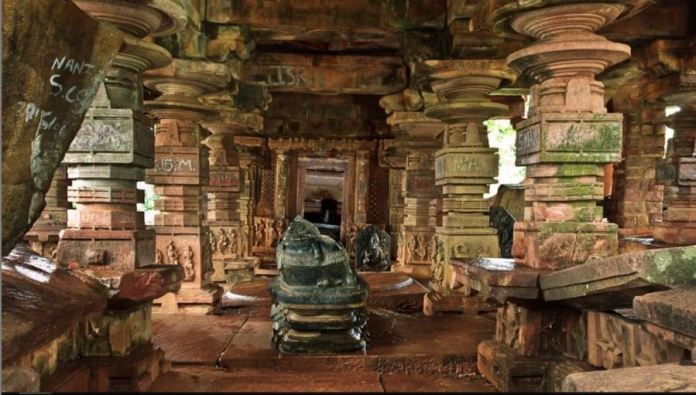
From our history books, we have learnt that the original Kohinoor diamond was found in the beautiful Thousand Pillar temple (located near Warangal). This temple, which was built by rulers of the Kakatiya dynasty, once housed the famous Kohinoor diamond, during the Golden Age, and if I may say the Diamond Era of the Telangana, and Andhra people!

Source: https://trueindologytwitter.wordpress.com/

This temple is now in ruins, due to the attacks by Alauddin Khilji, and Muhammad Bin Tughlaq during his Jihad of 1323 CE.

After Alauddin Khalji’s death from illness in 1316, Delhi’s aristocracy invited Ghazi Malik, then the governor in Punjab under the Khaljis, to lead a coup in Delhi, and in 1320, Ghazi Malik launched an attack with the use of an army of tribesmen to assume power, where then Ghazi Malik renamed himself Ghiyasuddin Tughlaq – thus starting and naming the Tughlaq dynasty. 

So a Ghazi becomes Ghiyasuddin, where the name Ghiyās ud-Dīn was a common name for the Sultan of Delhi’s Empire, but this time he was with the Kohinoor!

So what about the present?

So in India’s present history from the British invasion onwards, we are led to believe a Gagandhar Nehru is the Kotwal of Delhi, a young 34 year old, Kashmiri Pandit, who is effectively the Head of Police, reporting to Bahadur Shah, the last Mughal Ruler of Delhi, the most significant part of India. According to “Encyclopedia of Indian War of Independence” (ISBN:81-261-3745-9) by M.K. Singh, he states that available Mughal Muslim records do not mention any Hindu Kotwal under their employment and only Muslims of foreign ancestry were hired for such important posts of Kotwals under the Mughal Muslim Rulers of India, especially for a major city like Delhi.

Some articles claim the actual Kotwal of Delhi was Mirza Moinuddin Khan while other articles report that the Kotwal of Delhi was Ghiyasuddin Ghazi, father of one Motilal Nehru.

Wait wasn’t there a Ghazi who became Ghiyasuddin? Didn’t he rule Delhi when the Kohinoor was stolen?

The answer is an emphatic “Yes” and either this is a strange coincidence or something beyond weird!

So what’s in the recent present? It’s been reported that the grandson of Ghiyasuddin Ghazi, or Gagandhar Nehru, as in Prime Minister Pandit Nehru went on record saying that there is no ground to claim the treasured gem back, as it’s alleged it was a gift to the British. Nehru also added that efforts to get the Kohinoor back would lead to difficulties.

Difficulties to ask for the Kohinoor back?

So let’s look at the failed regime of one PM Nehru, where it started with the Jeep scandal, as he has unusual relations with Lady Edwina Mountbatten, it’s documented that his government placed an order for 2,000 refurbished Jeeps from the UK, for the same price of new Jeeps from the USA. Why the scam to the U.K? Why did Nehru promote Menon, who orchestrated the scam with the U.K. into the Nehru cabinet to be a trusted ally to even rise to be the Defence Minister in his Cabinet in 1959.

So while a UK-based Jeep scam is occurring, PM Pandit Nehru also said, “To exploit our good relations with some country to obtain free gifts does not seem to be desirable.”

Wait! What good relations with the U.K. except his own personal relations? And this was stolen and not a free gift!

It has been well documented that “after the Sikh Empire was overthrown by the British East India Company in 1849, the diamond was ultimately stolen and shipped to Britain, where it remains today.”

So wait, the Kotwal of Delhi, who escapes to Agra, in 1857, and at about the same time there’s a Maharaja Duleep Singh, who was in ‘protection’ of the Kohinoor diamond, but loses it as a young 10 year old boy.

The Archaeological Survey of India (ASI) has said that the Kohinoor diamond was surrendered to Queen Victoria by Maharaja Duleep Singh during the Lahore Treaty in 1849, and then in England in late 1854, as a teenager, he was introduced to the British court, where Queen Victoria showered affection upon the turbaned Maharaja. Source: https://www.opindia.com/2022/06/maharaja-duleep-singh-the-last-sikh-king-who-converted-to-christianity-and-lost-the-kohinoor-to-the-british/

Isn’t this theft by the British? They brainwash the youngster to convert from Sikhism to Christianity, defeat him, and take the Kohinoor? Where’s the Kotwal Police Officer to stop this?

PM Nehru, then is documented as stating: “On the other hand, it does seem to be desirable that foreign museums should have Indian objects of art”, namely due to his love for the UK, and Lady Mountbatten.

But, now for the smoking gun to connect all the dots, from the excerpted book below, Nehru has stated he recalls seeing his grandfather Gagandhar Nehru dressed as a Muslim Nobleman!

From “Bharata to India: The Rape of Chrysee” by M. K. Agarwal, he has published on a variety of topics on the history of India and the manner in which it’s culture, and religion was usurped by despot Islam/Christian conquests, and in his amazing writing the following is excerpted,

Where he continued to state the following:

Source: From Bharata to India: The Rape of Chrysee
By M. K. Agarwal

Why wouldn’t Ganga Dhar Neharwala return to Kashmir where he’s from as the British defeat the Mughals? Why does he need to leave and escape to Agra if he’s a Kashmiri Pandit? Shouldn’t a Hindu Police Commissioner of Delhi be useful to the British? It doesn’t add up! Let’s connect the dots!

So, the Kohinoor is stolen from the Kakatiya Temple by Mughals in Delhi, by a Ghazi who becomes Ghiyasuddin, and it’s then stolen by the British from a Maharaja Duleep Singh that is brainwashed by the British, while the Police Commissioner in Delhi does nothing, who is named Ghiyasuddin Ghazi, but becomes Ganga Dhar Neharwala, who’s great grandson, also becomes brainwashed by the British, and who then justifies the British theft of the Kohinoor!

It is time to get connect the dots, and get the Kohinoor back where it belongs, to the original Thousand Pillar temple (located near Warangal)! Let’s Make it Happen!

Thanks…

Akshay Sharma (Author’s Bio): Akshay Sharma is a Computer Engineer, tech analyst, ex-Gartner, having authored 280+ research notes, on emerging technologies like Cybersecurity, 5G, and IoT. He has worked for Canada’s Dept of Defense, advised and deployed solutions with DISA: Defense Information Security Agency, at Nortel and Siemens, and advised various 3-letter agencies in the US. A frequent speaker at tech events, he is often quoted in leading institutions like CNN, Wall St. Journal, and CIO.com. He is a former CTO of one of the first video/WiFi smartphone firms and an entrepreneur in the tech sector, having worked for firms that are now part of leading firms like Intel, IBM, Nokia, and Ericsson.  He advised the UK’s Ofcom, the US’s Dept. of Homeland Security, and was quoted in the Wall Street Journal banning Huawei in 2012, and stated in the Huffington Post, the Chinese hacking of Nortel is a “wakeup call”. Sharma contributed to the Flight Control protocol ARINC 629 Databus used in commercial avionics and military fighter jets for “fly-by-wire” systems, including the newer Boeing 777X. Additionally he is a Cybersecurity analyst, and CTO for Kovair.com with clients like the World Bank, India’s DRDO and US Defense sector clients.

The Print tries to whitewash horrific Muslim atrocities

0

Publisher : The Print

Article : You know ‘The Kashmir Files story’ of BK Ganjoo. Now know his neighbour Abdul’s

Synopsis : The Print tried to whitewash the horrific betrayal of Muslim neighbor Abdul Rashid and called it a ‘Story’. They tend to lean more towards the Muslim community rather than be equal to all. Which is not unusual as they always do a hit job rather than fair journalism.

After Kashmir Files movie was released, there was worldwide outrage against one particular scene in the movie where Abdul Rashid gives away the location of BK Ganjoo who was hiding in a barrel of rice to the Islamic Terrorists. They spray the barrel with bullets and tell his wife to cook this rice which, they mockingly say ‘will be more tasty’.

Such was their barbarism, and The Print says not a single consolatory word about this heinous act. In fact they go straight and play the famous Muslim victim card saying Rashid’s family was a victim of terrorism! Reminds me of Pakistan’s stock replies whenever the World blamed it for harboring terrorists on its soil. And so, The Print tries its best to showcase how Rashid was a victim when in reality BK Ganjoo was actually betrayed by his Muslim neighbor!

The article is totally one sided and utterly fails to prove The Print’s objective to portray Muslims as innocents. Read more about how Kashmiri Pandits’ sub=human ordeals at this link here where an account of all the Kashmiri Pandits’ deaths at the hands of Islamic Terrorists are documented. The particular incident of BK Ganjoo’s horrific killing right in front of his wife and children can be found on Page No. 129. Such was the Islamic Terrorists’ barbarism that BK Ganjoo’s wife pleaded with them to kill her too, as she found life meaningless after her husband’s death.

BK Ganjoo was 30 years old when his life was taken away by Muslim fanatics.

——-Synopsis by RGP