Narendra Modi led Bharatiya Janata Party (BJP) won India’s sixteenth general election in May 2014. BJP was also in power before under Late Atal Behari Vajpayee as Prime Minister from 1999 to 2004. Vajpayee headed a coalition of the BJP-led National Democratic Alliance (NDA) government. But BJP’s coming to power, on its own strength, under Modi in 2014 was a watershed in the socio-political dynamics of the country.
Modi, then an unknown face in BJP, became the Chief Minister of Gujarat state of India in October 2001 by a stroke of luck. He remained in that chair until taking the oath of office of the Prime Minister of India on 26 may 2014. Subsequently in 2019 general election of India also, Modi-led BJP again came to power stronger.
Modi has been occupying constitutional positions in India continuously for 21 years, 13 years as Chief Minister of Gujarat state and next 8 years as Prime Minister of the country. Modi is from a poor and anonymous background. Thus, any political leader of the world can be envious of Modi’s political journey and rise.
BJP’s Hindutva oriented ideology is known to all across the world. BJP’s Hindutva is to own and promote India’s civilizational culture and heritage. But Vajpayee’s BJP-led NDA rule in India from 1999 to 2004 maintained the Nehruvian idea of India, which suppressed everything about India’s civilizational pride of India.
The Gujarat riot 2002, following the Godhra carnage, made Modi negatively famous across the globe. That later on helped him to consolidate Hindu support in his favor. The international criticism against Modi came from all corners of the world and indirectly helped Modi politically in India. The Indian and international Left-Liberal-Islamist-Woke cabal failed to understand that it actually played in the hands of Modi.
It is also true that the Congress led United Progressive Alliance (UPA) government which came to power in India during 2004 and remained in power up to 2014, could not find any evidence to connect Modi with Gujarat 2002. The international Left-Liberal-Islamist-Woke cabal refuses to see this fact even today and is still crying for the blood of Modi. However, the world’s political leaders have understood the absurdity of opposing Modi, the Prime Minister of India, and accepted him with open arms.
During the last 8 years, Modi, as the Prime Minister of India, has achieved two of BJP’s three main Hindutva-wadi objectives of electoral politics in Hindu Majority India. Abolition of Article 370 and 35-A from Jammu and Kashmir and construction of Ram Temple in Ayodhya are those two. The third unfinished task for Modi is the introduction of Uniform Civil Code by abolishing the Muslim Personal Laws.
Additionally, Modi has abolished the practice of Instant Triple Talaq of Muslim women, constructed corridor for Kashi Vishwanath Temple and enacted Citizenship Amendment Act to help settle in India the persecuted non-Muslim minorities from Islamic Pakistan, Afghanistan and Bangladesh. Hindus of India have also put claim on Gyanvapi Mosque in Banaras, which was constructed on a Shiv Temple by Muslim ruler. The issue is sub-judice now. Complete Indianization of Naval Ensign of the country and renaming of Raj-Path of new Delhi to Kartavya Path by Modi are recent additions to his Hindutva politics.
The Beating Retreat ceremony, observed on 29 January each year, was started in independent India in 1955. Since then, the British Christian hymn Abide with Me, which was a favourite of Gandhi, is being played by the Bands of Indian defence forces. Nehru government was too happy to carry the legacy of British colonialism in independent India. However, Modi government has permanently replaced this hymn by the famous Indian tune Aye Mere Watan Ke Logon.
Modi’s populist social programs cut across religious lines. Some of those are: building of free houses and sanitary latrines for the poor; providing electricity, drinking water and roads in rural areas; supply of free ration to the poor during Covid pandemic; supply of subsidized cooking gas to poor women, Ayushman Bharat Yojana for poor and opening of bank accounts and direct money transfer for poor people etc. Besides, some specific socio-economic programs are earmarked for Muslims also. So, Modi can’t be called anti-Muslim except by the likes of Rana Ayyub, Arfa Khanum Sherwani and Saba Naqvi et al.
Modi’s tagline of Sabka Saath, Sabka Vikash, Sabka Vishwas (Together, for everyone’s growth, with everyone’s trust) is a master stroke of BJP’s Hindutva politics. It cannot be objectively rebutted, but it can also help in promoting the civilizational pride of India. Modi’s Vikash also includes discarding colonial and foreign influences on Indian civilization without resorting to anything remotely similar to Sar Tan Se Juda. And that Vishwas Modi has given to all, particularly Muslims.
Narendra Modi’s Hindutva approach is very subtle. He never makes any thunderous Hindutva-wadi speech or remark. He speaks very little and does not give interviews to the journalists. This he does intentionally to avoid manipulation of words and misquoting by the journalists to support Left-Liberal-Islamist-Woke cause in India.
Modi is the darling of Non-Resident Indians. Modi’s public speeches are very measured. In the election campaign, he can very easily connect with the masses. Though he publicly never utters Hindutva, but his open ‘civilizational pride’ for India speaks volumes about his Hindutva intention.
Modi’s civilizational pride for India is a subject that can’t be called immoral, illegal or unconstitutional. Modi also does not shy away from observing Hindu religious rituals publicly. Again, as per Indian Constitution, he is free to practice his religion and being the Prime Minister, he gets the media coverage also. Modi has been using the Indian Constitution to make it clear before the Indian Left-Liberal-Islamist-Woke cabal that the country is heading towards a Hindu Rashtra.
Modi has not only attracted a large section of political fence-sitting Hindus towards BJP, but an equally large section of Hindus, who were secular earlier, has also aligned with Modi’s BJP now.Such transformation only a Statesman like Modi could make.
At present, there is no BJP Member of Parliament in Lok Sabha and Rajya Sabha from Muslim community. Indian Left-Liberal-Islamist-Woke cabal is critical of this. But how many Muslims have taken membership of BJP and how many can win election for BJP? In democratic set-up party membership and winning elections are of utmost importance.
BJP is not obliged to field Muslim candidates from AAP, SP, RJD or TMC as its own candidates in election to satisfy the stupidity of Indian Secularism. If Indian Muslims call BJP a ‘Hindu Party’, as they called Congress before 1947, then it is their problem. At least Modi is clear about this.
Unlike Pakistan, where Islam is loudly all-embracing, Modi’s Hindutva is a soft under-current of general type. This Hindutva does not divert attention from core developments of India. More than dozens of IIM, IIT and AIIMS have so far been established in different parts of India after Modi came to power in 2014. India’s Covid Vaccine not only saved tens of millions of Indians but also of many other countries.
In 2014, India was eleventh largest world economic power and now it is in fifth position ahead of Britain. Recent commissioning of India made aircraft carrier Vikrant is a milestone for Indian Navy. Modi, with his Hindutva, has also subtly struck at the root of Middle-Eastern Islamic Coloniality, which was carefully glorified by Nehruvian historians and compelled us to accept of that coloniality as holier than thou.
The recent shift in the policy of Modi-led BJP to bring the Pasmanda Muslims closer to BJP is not without questions from within BJP. Historically Pasmanda Muslims have been the foot soldiers of Ashraf Muslims in committing stone pelting, looting, arson, killing and rioting in India. There is no reason to believe that they will not be faithful to the violent demands of their creed in future either. In Islam religion and co-religionist come ahead of country and Kafir. BJP has to be very cautious about this new policy.
The Congress-led Left-Liberal-Islamist-Woke cabal of India calls Modi’s civilizational pride as Toxic Nationalism. But Majority Hindus of India has understood that love and respect for civilization of India is the real answer to the Evil Islamism and Hindu-persecuting Indian Secularism, they are fed-up with.
Congress, the grand old national level party and a dozen of other regional secular political parties of India are basically Muslim-centric, dynasty based and utterly corrupt. These parties are unable to contain BJP and are clueless about countering Modi’s Hindutva wave. To dislodge Modi is their collective wish.
But, the more they oppose Modi, the more anti-India and anti-Hindu they become. Thus, Modi is presently looming large as a political giant over India. Modi’s international identity, as a global leader, is also very obvious. It is not for nothing that some say that independent India has got the first Indian Prime Minister in Modi.
———————————————————————————————
About the author: Jadabeswar Bhattacharjee served in the Government of India for 35 years and retired as a Higher Administrative Grade Officer. After retirement from the service, he developed interest in writing on contentious issues and topics. His published books are (1) Politically incorrect Point of View, (2) Politics, Bong and Faith, (3) The Alternative Narrative, (4) The West Bengal Saga and (5) Political Islam and India. He presently resides in Kolkata and NCR.
वक्फ धार्मिक और धर्मार्थ उद्देश्यों के लिए अल्लाह के नाम पर दी गई संपत्ति है। सरल भाषा में कानूनी दृष्टि से इस्लाम को मानने वाले व्यक्ति द्वारा किसी भी चल या अचल संपत्ति को धार्मिक कार्य के लिए किया गया कोई भी दान। ये दान पैसा या संपत्ति हो सकता है। इसके साथ ही यदि किसी संपत्ति को लंबे समय तक धर्म के काम में उपयोग किया जा रहा हो, तो उसे भी वक्फ माना जा सकता है। यदि कोई एक बार किसी संपत्ति को वक्फ कर देता है तो उसे फिर वापस नहीं लिया जा सकता है। एक गैर-मुस्लिम भी वक्फ बना सकता है लेकिन व्यक्ति को इस्लाम कबूल करना होगा और वक्फ बनाने का उद्देश्य इस्लामी होना चाहिए।
परंतु समय के साथ ये अर्थ बदल गया है। 1947 में जब हिंदू पाकिस्तान में अपनी जमीनों को छोड कर भारत आए और, मुस्लिम भारत में अपनी जमीनें छोडकर पाकिस्तान गए। तो, पाकिस्तान ने हिंदुओं की पूरी जमीन पर कब्जा कर लिया। और, इस जमीन को मुस्लिमों और राज्य सरकार को दे दिया। लेकिन, महात्मा गांधी और जवाहर लाल नेहरू ने इसका ठीक उलट किया।
उन्होंने कहा कि, पाकिस्तान जा चुके मुस्लिमों की जमीनों को कोई हिंदू नहीं छुएगा। उन्होंने इन जमीनों की जानकारी इकट्ठी की और इसे वक्फ को दे दिया। 1954 का वक्फ बोर्ड कानून उतना कठोर नहीं था। लेकिन, असली बदलाव 1995 में आया। कांग्रेस नेता और प्रधानमंत्री पीवी नरसिम्हा राव वक्फ कानून 1995 लाए। और वक्फ बोर्ड को जमीनों के अधिग्रहण के असीमित अधिकार दे दिए।
तो आप देख सकते है कैसे हिंदुओ के साथ छल किया गया और देश में वक्फ बोर्ड का गठन किया गया। वही आज वक्फ बोर्ड हिंदुओ के सम्पति पर कब्जा कर रहे है। आज टीम शंखनाद के साथ मिलकर सभी हिंदू न्याय के लिए आआज बुलंद कर रहे है।
प्रधानमंत्री नरेंद्र मोदी जी द्वारा देश के हर गांव में इंटरनेट कनेक्शन पहुंचाने हेतु घर तक फाइबर योजना की शुरुआत की गई है। पहले जहाँ कुछ गांवों तक इंंटरनेट पहुंच पााया था। अब इसको वृहद स्तर पर इस योजना द्वारा पहुंचाया जाएगा।
आज के इस आर्टिकल में हम बात करेंगे कि प्रधानमंत्री घर तक फाइबर योजना क्या है? प्रधानमंत्री घर तक फाइबर योजना की विशेषताएं, प्रधानमंत्री घर तक फाइबर योजना के लाभ आदि की चर्चा करेंगे।
घर तक फाइबर योजना क्या है?
देश के हर गांव को इंटरनेट कनेक्शन पहुंचाने के उद्देश्य से यह योजना शुरू की गई है। घर तक फाइबर योजना के द्वारा गांव तक फ़ास्ट स्पीड का इंटरनेट फाइबर ऑप्टिक केबल के द्वारा ब्रॉडबैंड के रूप में पहुंच सकेगा।
21 सितंबर 2020 को प्रधानमंत्री नरेंद्र मोदी जी ने बिहार में इस योजना का शुभारंभ किया। स्वतंत्रता दिवस में नरेंद्र मोदी जी ने बताया था कि पहले मात्र 60-70 गांवों में इंटरनेट था परंतु पिछले 5 सालों में यह डेढ़ लाख से अधिक गांवों तक पहुंच गया है। और इस योजना द्वारा यह और गांवों तक देश के सभी गांवों तक पहुंचेगा।
प्रधानमंत्री घर तक फाइबर योजना की विशेषताएं
इस मुहीम की शुरुआत बिहार राज्य से हुई है। अब घर तक फाइबर योजना के पश्चात बिहार राज्य में गांव के लोग शहर के लोगों की अपेक्षा ज़्यादा इंटरनेट प्रयोग कर सकेंगे।
कहा जा रहा आने वाले 1000 दिन में हर गांव में इंटरनेट की सुविधा होगी।
इस योजना का नाम घर तक फाइबर योजना इसलिए है कि इससे गांव गांव में घर घर तक इंटरनेट सुविधा मिलेगी।
अब गांव के लोगों को ऑनलाइन कार्य करवाने हेतु शहर नही भागना पड़ेगा।
गांव गांव तक इंटरनेट पहुंचाने हेतु सीएससी सेंटर को चुना गया है।
जिन गांवों में पहले से मौजूद है वहां पास के गांवों तक पहुंचाना इसका कार्य होगा।
45000 से अधिक गांवों में 8900 पंचायतों से इंटरनेट घर तक फाइबर योजना के तहत बिहार में जोड़ा जाएगा।
21 september से बिहार में यह कार्य शुरू हुआ है। 100 दिन तक में पूर्ण किया जाएगा।
घर तक फाइबर योजना के लाभ
जब गाँव-गाँव में इन्टरनेट सुविधा होगी तो गाँव का विकास होगा, गाँव का विकास मतलब देश का विकास, क्यूंकि भारत देश में अधिकतर जनता गाँव में रहती है.
इन्टरनेट ब्रॉडबैंड कनेक्टिविटी से हर गाँव में ई-कॉमर्स, ई-शिक्षा, ई-फार्मेसी, कॉल सेंटर, ऑनलाइन बैंकिंग, ऑनलाइन शोपिंग जैसे सुविधा शुरू हो सकेंगी.
किसान या छोटे उद्योगपति, नए उद्यमी अपने सामान को ऑनलाइन ई-हार्ट के द्वारा देश के हर कोने में बेच सकेंगें. जिससे उनकी आमदनी बढ़ेगी.
गाँव में इन्टरनेट सुविधा दुरुस्त होगी तो गाँव के उद्यमी के लिए रोजगार, नौकरी के नए अवसल खुलेंगें.
गाँव के लोगों को अब अपना घर, परिवार छोड़कर जॉब की तलाश में शहर की और नहीं भागना पड़ेगा, अपने क्षेत्र में ही रहकर वे पैसा कमा सकेंगें.
इन्टरनेट सुविधा आने से शिक्षा के क्षेत्र में भी गाँव का विकास होगा, गाँव वाले अब ऑनलाइन उच्च शिक्षा प्राप्त कर सकेंगें.
सरकार द्वारा चलाई जा रही तरह तरह की योजना का लाभ अब गाँव निवासी इन्टरनेट के द्वारा एक क्लिक पर ही ले सकेंगें. उन्हें इसका लाभ लेने के लिए यहाँ वहां नहीं भटकना पड़ेगा.
सरकारी योजना की जानकारी अब इन्टरनेट के माध्यम से जल्द इ जल्द उन्हें मिल सकेगी.
गाँव में इन्टरनेट सुविधा होने से लड़कियों को बहुत लाभ होगा, वो अपने घर में रहकर ही रोजगार कर अपने पैरों पर खड़ी होकर परिवार को संभाल सकेंगी.
घर तक फाइबर योजना हेतु FAQ
घर तक फाइबर योजना कब शुरू हुई?
21 सितंबर 2020 को
घर तक फाइबर योजना किसके द्वारा शुरू की गई?
प्रधानमंत्री नरेंद्र मोदी जी द्वारा
घर तक फाइबर योजना की शुरुआत कहाँ से हुई?
बिहार राज्य से
घर तक फाइबर योजना का क्या फायदा है?
हर गांव हर घर तक तेज स्पीड के इंटरनेट की पहुंच होगी।
From last few days we all are hearing of Chola debate. So, the Chola debate is nothing but a debate recently started in India. Some people believe that Cholas were Hindus and some say they are not, but they are Tamils. Many are also with the view that Tamils are not Hindus.
Also, this Debate is also a political debate.
In this article, I will be giving some facts by which you will be able to understand the Cholas and the Chola Dynasty.
What is the Chola Dynasty?
As per the Wikipedia, The Chola Dynasty was a Tamil Thalassocratic empire of southern India and one of the longest-ruling dynasties in world history.
Religion practices of Cholas:
During the time when Cholas ruled over the southern India, there were many temples built there by them, some of them are list below-
1.Brihadisvara Temple At Thanjavur: One of the famous Chola dynasty temples, it was built during the reign of Chola king Raja Raja and designed by the famous architect Sama Varma between 1003 and 1010 AD. The Brihadisvara Temple houses the tallest vimanam in the world, a 3.7-meter tall linga of Lord Shiva. The simplicity of the design of the temple has provided inspiration for other buildings not only in South India but also in South – East Asia. It is one of the most prominent temples of Chola dynasty. Main Deity: Lord Shiva
2. Nageswaraswamy Temple: Nageswaraswamy Temple is a Hindu temple dedicated to Lord Shiva located in Kumbakonam, Tamil Nadu. Shiva in the guise of Lord Nagaraja is located in the centre of Kumbakonam. The temple has a holy water tank known as Surya Theertham. It also has colourful gopuram and huge idols with beautiful carvings and scripts. Main Deity: Lord Shiva
3. Valisvara Temple: Valisvara temple is a Hindu temple located in the town of Thiruvalisvaram in Tirunelveli district of Tamil Nadu. One of the Chola dynasty temples, this temple is dedicated to Shiva, where he is depicted in sukhasana pose. It was constructed by the Cholas in the early part of the 10th century AD and is considered to be one of the best examples of Chola architecture. Main Deity: Lord Shiva
As per above given facts, Cholas mostly build temple which worshipped Gods like Shiva, Vishnu etc. Shiva and Vishnu both are the Gods in the Hindu religion.
Also, if you search on Google as ‘Chola Temples’ these result will come as; ‘The Great Living Chola Temples is a UNESCO World Heritage Site designation for a group of Chola dynasty era Hindu temples in the Indian state of Tamil Nadu.
Here’s the image of the Google Search:
‘These are some facts on the Chola Dynasty.
Conclusion:
Chola dynasty was established in the third century BCE and ruled till the 13th century CE in the southern India. They ruled for a time close to 1500 years, which makes them one of the oldest and longest-ruling dynasties in the world. Their architecture were also famous for it’s beauty and it’s amazes and Politicizing and making an issue of this beautiful and one of the oldest and longest-ruling dynasties in the world is not a good thing. Also, Chola Dynasty is a pride for India.
Some ex-Muslims, in electronic media, try to take a jibe at Sanatan Dharma by equating it with Hinduism. The Left-Liberal-Woke gang of Indian Hindus also try to score some “Secular Points” by abusing Hinduism. The term ‘Hinduism’ falsely connotes Abrahamic equivalent of Sanatan Dharma. And this ignorance forces people to typecast Sanatan Dharma as another Abrahamic-type of religion, which it is not. Because, Dharma and religion are not synonymous.
Agnosticism surrenders before the premise of inherent human limitation of reasoning, knowledge and intelligence to prove or disprove the existence of God. Thus, agnosticism stands somewhere between atheism and theism. In another dimension, pantheism accepts the whole universe as a deity. Pantheism does not recognize a distinct personal God.
But with this four-dimensional philosophy of atheism, theism, agnosticism and pantheism; one cannot explain the concept of Aham Brahmasmi of Sanatan Dharma which means I am divine. This makes Sanatan Dharma beyond these four ideologies. Very briefly speaking, Sanatan Dharma starts with Atmanam Viddhi meaning Know thyself and endeavors for the elevation of individual to the state of divinity (Aham Brahmasmi) and ultimate realization of Param Brahma (absolute truth or absolute one).
That is, ‘appropriate code of conduct’ can increase the possibility in infinite ways for that realization by making individual an inward-looking seeker. Sanatan Dharma literally means ‘Eternally Existing Appropriate Code of Conduct’. This conduct is symbiotic with nature and the environment, both living and non-living. It also depends on individual’s position in the society, age and sex. In other words, Dharma of a King is different than the Dharma of a Peasant. Following Sanatan Dharma increases the possibility of realization about the universe, creation and ultimate destination of human beings. This realization in Sanatan Dharma happens at spiritual and intellectual levels and beyond the perimeter of our five senses.
Thus, Sanatan Dharma is all-encompassing and not only includes theism, atheism, agnosticism and pantheism, but also goes much beyond and creates an infinite gray area for everyone to maneuver his spiritual journey and quest for the absolute truth. Sanatan Dharma believes in reincarnation. In Sanatan Dharma, Karma (activities) has central role. Karma determines the future life of every Sanatani. If Karma of a Sanatani is appropriate, his future life becomes good for himself, as well as, society. But, if it is inappropriate, his future life turns out to be bad for himself and society. That is why Dharma guides Sanatani to observe ‘appropriate code of conduct’ for attaining a meaningful and good future life, ultimate of which is realization of Param Brahma.
The concept of single God has come from Abrahamic religions. About 56 percent of world population follows Abrahamic religions today. These religions revolve around the single God of each religion. The religion of Judaism, Christianity and Islam has respective founder, God, time of origin and a divine scripture. But Sanatan Dharma is not a religion that way. It has no founder, no date of origin and no single God. There are innumerable scriptures in Sanatan Dharma. Abrahamic religions are close and regimented, but Sanatan Dharma is open and flexible.
The individual choice and freedom, in the spiritual arena, is honored in Sanatan Dharma. That is why one comes across innumerable sects, Gods, Goddesses and variant rituals in it. Thus, idolatry is also a part of Sanatan Dharma. Even its scriptures like Ramayana and Mahabharata have multiple versions and no Sanatani is bothered about that. To a Sanatani, every sect, God, Goddess, idol, scripture or ritual is only a means to facilitate the spiritual journey. Even one can continue to remain a Sanatani by not using any means and happily dying without any interest for spirituality. Ekam Sat, Vipra Bahudha Vadanti, meaning ‘truth is one, but wise men call it differently’, truly expresses the Universal essence the Sanatan Dharma.
A section of Islamists refers to Vedas and Arya Samaj to tells that Sanatan Dharma does not have idolatry. Their pathological hatred towards idolatry makes them to put across such wishful argument. What they fail to understand is that, the Sanatan Dharma is not restricted by Vedas and Arya Samaj. Vedas are four important scriptures among many of Sanatan Dharma and Arya Samaj is a sect among many. Under Sanatan Dharma, one can be absolutely materialistic too by following Charvak Philosophy. For Islamists, it is beyond their comprehension to understand the vastness and diversity of Sanatan Dharma.
Sanatan Dharma has no concept of blasphemy and apostasy. Doubt, criticism and debate on Dharmic issues and Gods, Goddesses, rituals and scriptures are ingrained in Sanatan Dharma. Tarka-Shastra in Sanatan Dharma is a Sanskrit term for the philosophy of dialectics, logic and reasoning, and art of debate that analyses the nature and source of knowledge and its validity.
Bhagavad Gita is another Sanatani scripture. It discusses about human doubts and their solutions. Only 700 Slokas (verses) of Bhagavad Gita cover all important human doubts, solution of those and the duties of human beings. In Sanatan Dharma there is nothing like ex-Sanatani, because it happily includes atheism also.
Unlike the stagnant ponds of Abrahamic religions, Sanatan Dharma is like a river flowing to the ocean of spiritual realization. One may flow along or one may come to the shore terminating the journey when one feels like. Why talk of non-Sanatanis; majority Sanatanis have no idea about the essence of Sanatan Dharma. They try to portray Sanatan Dharma through their Macaulay-induced Abrahamic tinted glass. And when they miserably fail to comprehend Sanatan Dharma, they replace it with Hinduism and use Hinduism as a punching bag out of frustration.
Sanatan Dharma is bottomless. Given the opportunity, Sanatan Dharma can even accommodate Judaism, Christianity, Islam or any other religion under the Sun within its fold, as means to realize the Absolute One provided the core principle of ‘appropriate code of conduct’, that is Dharma, is accepted by those religions. This is the reason why Sanatani can peacefully live, mix and contribute in any foreign community anywhere in the world today.
Polytheism of Sanatan Dharma is the ‘original Multi-Culturalism’. It has been allowing followers of different deities/sects of Sanatanis to live side by side peacefully through centuries. Unlike Islam, no one sect of Sanatani calls other sects as non-Sanatani. So, the West need not try to teach Sanatanis what multi-culturalism and tolerance are. Sanatan Dharma is also an ever-evolving spiritual philosophy and culture.
One of the important teachings of Sanatan Dharma is: Dharma Rakshati Rakshitah, meaning ‘Dhrama protects him who protects Dharma’. So, Sanatan Dharma is not all about Ahimsa Parama Dharma, which Gandhi propagated during his freedom struggle of India (1915-1947) with mala-fide intention to satisfy his inflated political ego. Sanatan Dharma also teaches Dharma Himsa Tathaiva Cha, which means ‘so too is violence (appropriate) in the service of Dharma’. Thus, Left-Liberal-Islamist-Woke cabal should stop meddling with Sanatanis.
Finding a good locksmith can be tricky. With so many people out there pretending to be experts, it’s tough to know who’s actually good and who might leave your home or car less secure than before or overcharge you. This guide is here to help you find a locksmith you can trust, making sure they do a great job and keep your place safe.
Be Careful and Check Their Background
First off, being careful is key. Some locksmiths might not do a great job or might charge you way too much. To make sure you’re hiring the right person, start by doing a quick Google search. This can tell you a lot about their reputation. Look for any major complaints or if people generally seem happy with their service. Remember, though, it’s normal for any business to have one or two unhappy customers. For more information about finding the best locksmith services, visit locksmithspros!
Make Sure They’re Legit
Here’s what you can do to make sure a locksmith is legit:
Get a Second Opinion: If a locksmith says your simple lock problem needs an expensive fix, like drilling and replacing the lock, pause and consider asking someone else for their opinion.
Check Their Insurance and License: A professional locksmith will have the right papers. Ask to see them. Also, look to see if they ask for your ID. That’s a good sign they’re doing things the right way.
Read Any Papers Carefully: If they give you any forms or contracts to sign, read them carefully before signing.
Tips for Choosing the Right Locksmith
Here are some solid tips to help you pick a good one:
1. Call Your Insurance Company
Sometimes, your insurance company can recommend good locksmiths.
2. Can You Trust Them?
Make sure the locksmith seems trustworthy. If their website doesn’t have contact info or they only accept cash, those could be red flags.
3. Look for Professional Memberships
Being part of a professional locksmith organization means they’re serious about their business.
4. Say No to Door-to-Door Sales
Don’t trust locksmiths trying to sell you something right at your doorstep.
5. Cheapest Isn’t Always Best
Avoid just going for the cheapest option. Quality matters a lot, especially when it comes to your security.
6. Ask About a Warranty
Good locksmiths will often offer a warranty on their work.
7. Watch Out for Plastic Parts
Locks should be metal, not plastic. If they use plastic, it might be a sign they’re cutting corners.
8. Avoid Substitutes
During emergencies, you might be tempted to go with whoever is available. But make sure they’re using quality locks and tools.
9. Choose Someone Experienced
Look for locksmiths who have been in business for a while. A quick Google Maps search can tell you how long they’ve been around.
10. Do Your Own Research
Spend a bit of time online checking out different locksmiths to see their reviews and what services they offer.
Frequently Asked Questions
How can I tell if a locksmith is reputable? The best way is to ask around or look for reviews online. If they’ve worked well for others, they’re likely good.
How can I avoid being scammed? Always ask for a quote up front to avoid hidden costs. Also, make sure they’re qualified for the job.
Should I get a written quote? Yes, this protects you from overcharging or scams.
What kinds of precautions should I take? Check if they’re insured. This protects you from any damages that might happen while they’re working.
Looking for a Locksmith You Can Trust?
Choosing the right locksmith doesn’t have to be a guessing game. By following these tips, you can find a reliable professional ready to help 24/7. Whether it’s an emergency or just a routine lock change, doing a little homework can ensure your locksmith is trustworthy and efficient, leaving you with peace of mind and a secure home or vehicle. Don’t wait until you’re locked out or in need of repair, start looking for a reliable locksmith today, and you’ll be all set when the time comes.
भारतीय राजनीति के एक दिग्गज पुरोधा उत्तर प्रदेश के मुख्यमंत्री से लेकर देश के रक्षामंत्री तक का सफर अपनी मेहनत के दम पर सफलतापूर्वक तय करने वाले व देश-दुनिया में ‘धरतीपुत्र’ के नाम से मशहूर मुलायम सिंह यादव का 10 अक्टूबर 2022 को लंबी बीमारी के चलते गुरुग्राम के एक अस्पताल में निधन हो गया है। उनका निधन आम जनमानस व राजनीति के क्षेत्र दोनों के लिए ही एक बहुत बड़ी अपूरणीय क्षति है।
क्योंकि राजनीति के क्षेत्र में मुलायम सिंह यादव जैसी दूरदृष्टी, बेबाक, सरल, सहज व दूसरों के दुःख दर्द को अपना मान करके उसका निदान करने के लिए हर वक्त तत्पर रहने वाली शानदार शख्सियत विरले ही जन्म लेती है। वह देश के राजनीतिक पटल पर किसानों, गरीबों, नौजवानों व आम जनमानस की एक दमदार बुलंद आवाज थे। मुलायम सिंह यादव का ओरा ऐसा था कि उनके द्वारा बोली गयी छोटी-बड़ी बात को राजनेताओं, शासन-प्रशासन व मीडिया में विशेष तव्वजो दी जाती थी।
राजनीति की शुरुआत करते हुए
मुलायम सिंह यादव ने देश-दुनिया की राजनीति की एक बहुत बड़ी प्रयोगशाला माने जाने वाले उत्तर प्रदेश की राजनीति के दुर्गम रास्ते को चुनकर के अपनी मेहनत से उसको सुगम बनाते हुए दिल्ली की केन्द्र की राजनीति तक का सफर बखूबी तय किया था। देश की राजनीति में मुलायम सिंह यादव को राजनीतिक दावं-पेंचों का एक माहिर बड़ा खिलाड़ी माना जाता था। मुलायम सिंह यादव ने अपने लंबे राजनीतिक जीवन में वह सब कुछ पाया जो कि एक राजनीतिज्ञ अपने जीवन काल में पाना चाहता है।
वह 8 बार विधायक 7 बार लोकसभा के लिए निर्वाचित हुए, मुलायम सिंह यादव तीन बार उत्तर प्रदेश के मुख्यमंत्री पद पर आसीन रहे और केंद्र में संयुक्त मोर्चा की सरकार में उन्होंने बेहद अहम रक्षामंत्री के दायित्व को भी दमदार ढंग से निभाने का कार्य किया था।
मुलायम सिंह यादव का जन्म 22 नवम्बर 1939 को इटावा जनपद के सैफई गांव के एक साधारण किसान परिवार में हुआ था, उनके पिता सुघर सिंह यादव सामान्य किसान परिवार से ताल्लुक रखते थे, उनकी माता मूर्ति देवी भी एक आम घरेलू महिला थी। मुलायम सिंह यादव अपने पाँच भाई-बहनों में रतनसिंह यादव से छोटे थे और अभयराम सिंह यादव, शिवपाल सिंह यादव, राजपाल सिंह और कमला देवी से बड़े थे।
वैसे तो मुलायम सिंह यादव के पिता की इच्छा थी कि वह एक प्रसिद्ध पहलवान बने, किन्तु समय का पहिया ऐसा घूमा कि क्षेत्र में पहलवानी करते हुए ही मुलायम सिंह यादव का राजनीति में पदार्पण हो गया, उन्होंने अपने राजनीतिक गुरु चौधरी नत्थूसिंह को मैनपुरी में आयोजित एक कुश्ती-प्रतियोगिता में अपनी कार्यशैली से बेहद प्रभावित किया और इस घटना के बाद ही उनका नत्थूसिंह के परम्परागत विधान सभा क्षेत्र जसवन्त नगर से अचानक ही राजनीतिक सफर शुरू हो गया था।
इसके बाद मुलायम सिंह यादव ने अपने राजनीतिक जीवन के पथ में फिर कभी पीछे मुड़कर नहीं देखा, उन्होंने सफलता की नित-नयी कहानी खुद की मेहनत के दम पर लिखने का कार्य किया। राजनीति की शुरुआत में ही मुलायम सिंह यादव ने बहुत मेहनत करनी शुरू कर दी थी, उन्होंने राजनीति के क्षेत्र में सफलता हासिल करने के उद्देश्य की पूर्ति के लिए पहले आसपास फिर बदलते समय के साथ उत्तर प्रदेश के गांव-गांव व शहर-शहर में पैदल, साइकिल, मोटर साइकिल, घोड़ा गाड़ी, कार, जीप, बस, रेलगाड़ी आदि से दिन रात एक करके घूमना शुरू कर दिया था और अपने बेहद मिलनसार सरल व्यवहार के बलबूते रोजाना नए-नए साथियों से मिलना जारी रखते हुए, वह एक बहुत बड़ा कारवां बनाते चले गये।
जिसके परिणाम स्वरूप ही उन्होंने सहकारी बैंक के निदेशक से लेकर के विधायक, मुख्यमंत्री, सांसद व देश के रक्षामंत्री तक का सफर सफलतापूर्वक तय किया था। आज उनकी पहचान देश व दुनिया में एक बड़े धर्मनिरपेक्ष व समाजवादी विचारधारा को मानने वाले दिग्गज राजनेता के रूप में होती थी।
चुनावी रणभूमि में मुलायम सिंह यादव वर्ष 1967 में पहली बार विधायक बने, उसके बाद जीवन में फिर कभी उन्होंने पीछे मुड़कर नहीं देखा और वर्ष दर वर्ष राजनीति के क्षेत्र में सफलता हासिल करते चले गये। पहले मंत्री बने फिर 5 दिसंबर 1989 को मुलायम सिंह यादव पहली बार उत्तर प्रदेश के मुख्यमंत्री बने और 24 जनवरी 1991 तक रहे। मुलायम सिंह यादव ने वर्ष 1992 में अपनी समाजवादी पार्टी का गठन किया था। समय का पहिया जब आगे बढ़ा तो वह एक बार फिर से 5 दिसम्बर 1993 को वह दूसरी बार उत्तर प्रदेश के मुख्यमंत्री बने और 3 जून 1996 तक रहे। इसके बाद वर्ष 1996 में मुलायम सिंह यादव ग्यारहवीं लोकसभा के लिए मैनपुरी लोकसभा क्षेत्र से चुने गए थे और केन्द्र की संयुक्त मोर्चा सरकार में मुलायम सिंह यादव भी शामिल हुए और देश के रक्षामंत्री बने थे। हालांकि केंद्र की यह सरकार बहुत लंबे समय तक नहीं चल पायी थी।
लेकिन उस समय तक देश की राजनीति में मुलायम सिंह यादव एक बहुत बड़े पुरोधा बनकर उभर चुके थे, उसी के चलते ही मुलायम सिंह यादव को प्रधानमंत्री बनाने तक की भी बात राजनीतिक गलियारों में गंभीरता पूर्वक चलने लगी थी, वह प्रधानमंत्री पद की दौड़ में अन्य प्रतिद्वंद्वियों से बहुत आगे थे, किंतु उस वक्त उनके कुछ सजातियों राजनेताओं ने उनका जरा भी साथ नहीं दिया, जिसके चलते मुलायम सिंह यादव देश के प्रधानमंत्री बनने से अंतिम समय में चूक गये थे। देश के राजनीतिक गलियारों में ऐसा माना जाता है कि उस समय पिछड़ों के दिग्गज राजनेता लालू प्रसाद यादव और शरद यादव ने अपने-अपने राजनीतिक हितों को साधने की खातिर मुलायम सिंह यादव के प्रधानमंत्री बनने के सपने पर पानी फेरने का कार्य किया था।
हालांकि इसके बाद जब लोकसभा चुनाव हुए तो मुलायम सिंह यादव ने कन्नौज व संभल से जीतकर पुनः लोकसभा में दमदार ढंग से अपनी वापसी करने का कार्य किया था। बाद में उन्होंने कन्नौज से अपने पुत्र अखिलेश यादव को लोकसभा के चुनाव में जितवाकर के सांसद बनवाकर राजनीतिक शुरुआत करवाने का कार्य किया था। राजनीति में धोबी पछाड़ दांव के जबरदस्त खिलाड़ी मुलायम सिंह यादव एकबार फिर सभी को अपने धोबी पछाड़ दांव से मात देते हुए 29 अगस्त 2003 को तीसरी बार उत्तर प्रदेश के मुख्यमंत्री बने और 11 मई 2007 तक रहे थे।
मुलायम सिंह यादव आम जनता के बीच नेता जी के नाम से भी बहुत मशहूर हैं, लोगों को उन्हें इस नाम से पुकारते वक्त अपने पन का आभास होता था, लेकिन लोगों चहेता समाजवाद के यह दिग्गज पुरोधा अब दुनिया में नहीं हैं, लेकिन अब उनकी विचारधारा को जीवित रखने के लिए उस पर चलते हुए उसको धरातल पर साकार करने की जिम्मेदारी उन सभी लोगों, सपा नेताओं व उनके पुत्र अखिलेश यादव पर है जो कि उन्हें बेहद प्यार करते थे। देश में राजनीति के क्षेत्र का हर व्यक्ति यह बहुत अच्छे से जानता है कि मुलायम सिंह यादव एक राजनेता मात्र नहीं थे, बल्कि वह एक विचारधारा थे।
देश में राम मनोहर लोहिया के समाजवाद का यह चमकता सूरज आज हमेशा के लिए अस्त हो गया है, लेकिन अब भी लोगों को उनके जीवन पथ की संघर्ष की विभिन्न गाथाओं से प्रेरणा हमेशा मिलती रहेगी। देश के राजनीतिक पटल पर मुलायम सिंह यादव की उपलब्धियों का एक बहुत लंबा इतिहास है, जो हमें हमेशा उनकी याद दिलाता रहेगा। मुलायम सिंह यादव देश की राजनीति में किसानों की सशक्त आवाज बनकर के धरती पुत्र कहलाए, तो पिछड़ों-शोषितों गरीबों के हक़ का पहरेदार बनकर देश के गली मोहल्ले में नेता जी की उपाधि से नवाजें गये। देश के राजनीतिक गलियारों में मुलायम सिंह यादव को नाम के अनुरूप मन से मुलायम माने जाने वाला एक ऐसा राजनेता माना जाता है जिसका दृढ़संकल्प व इरादे बेहद सख्त लोहे के थे।
मुलायम सिंह यादव की सबसे बड़ी खासियत थी कि वह किसी पार्टी कार्यकर्ता या आम जन से एक बार मिल लें तो लोग उनके मुरीद हो जाते थे और फिर कभी उनखो भूल नहीं पाते थे। हालांकि आज मुलायम सिंह यादव के निधन से भारतीय राजनीति के एक युग का अंत बेशक हो गया है, लेकिन यह भी एक कटु सत्य है कि मुलायम सिंह यादव के संघर्ष और सफलता की दास्तान युगों-युगों तक हम सभी लोगों के जहन व दिलों में हमेशा जिंदा रहेगी!
Communal tension has been increasing in Kashmir due to increasing demand of Pakistan. Ripple effect of the same can be heard from Kashmir as well. There have been many attempts to create unrest in Kashmir on the pretext of ruler being “unjust” and “oppressive” towards majority community i.e. Muslims.
In this detailed report we will see the actual situation of 1931 and of the “oppressed” Muslims.
Incidents of “oppression”
Don’t get surprised if you find striking similarity in tactics used by them almost 90 years ago and now. The thing is they remember the past learn from it while we never really care about the past.
False accusations of Namaz obstruction
On 29th April 1931, in Jammu City, Muslims offered their Eid Namaz in the government garden, Mufti Ishaque then started giving political lectures in the name of Khutba. He mentioned Pharoah, Egyptian monarch, and their cruelty-tyranny and their defeat. Thereby referring to the King of Jammu and Kashmir.
On duty SP Babu Khemchand Sharma on hearing this stopped Mufti and asked him to continue with Khutba and not the political lecture. People told SP that there will be Khutba now and no political lecture. SP told them to continue then. On this Mufti refused to start citing interference in their religious affairs. On that day processions-cum-meetings were held, press reports were broadcasted, posters were put up with the message of “Islam in danger”, “Hindu government destroying Islam”.
Administration was prompt in action, they along with suspension set up a departmental inquiry against that SP. A case was also registered against him for disturbing religious assembly. At the end of 6 week marathon trial on the account of lack of evidence SP was acquitted.
Similar incident at Dagore village of Jammu
On the same day a similar incident happened at Dagore village of Jammu, there was a tank which was used by Hindus and Muslims both, but Hindus have always stuck to the fact that it was theirs, courts have also favored them, still they allowed Muslims to use it.
Muslims were doing Wuju at that place. SP of that area, out of apprehension, just inquired about past practice of the usage of tank water. On finding out about past usage by Muslims as well, he let them do their Wuju. Muslims objected to this and raised it by saying “Namaz was deliberately stopped by Hindu SP”. They took this matter with Young men’s Muslim Association, an radical Islamist outfit.
By that time many posters and papers were circulated in the state like Kashmiri Musalman, Maktoob-i-Kashmir, Mazloom-i-Kashmir, Inquilab, etc. They kept repeating the messages of “Islam in danger”, “Hindu ruler destroying Islam”. These things added the tension and kept the fury alive.
False accusations of insult to Quran
On 4th June 1931, a Muslim constable reported that his senior, a Hindu head constable, have disrespected Quran by throwing it on ground and asking him to not read that trash. Public meetings, papers, posters citing the same messages as mentioned above were now more frequent than usual.
Government formed an inquiry committee for this issue containing, Mr. Wakefield and two Mir Waizes from Muslim community. After detailed inquiry by the committee it was found that Muslim constable was late on duty and was sleeping, seeing this head constable, in order to wake him up, pulled his bedsheet. Along the bedsheet there was a book named Panj Surah, and accidentally it fell on the ground. Muslim constable manufactured this story to create an environment of “Hindus disrespecting Quran”. Other than this what could be the possible reason for him to sleep with that book?
Muslim constable was dismissed and Hindu head constable was sent on compulsory retirement for being Hindu. Responsibility of convincing their community about this incident fell on two Muslim committee members and they did pretty well job, of making situation worse. They did exactly the opposite.
Alleged mentioning of another insult
On the day of return of Committee Chairman Mr. Wakefield from investigation of Quran insult to Jammu, a Muslim man reported that he has found pages of Holy book in toilet of city. There was no solid evidence of this whatsoever. This issue seems to have been propped up maliciously and deliberately to prove of a point of repeated insult to Quran and to Islam.
A trigger
A public meeting at Khanqah-i-maula
During upcoming days many public meetings were held by Muslims to choose leaders for dialog with “oppressive” rule. King Hari Singh himself asked Muslim community to choose their leaders for talks regarding their issues. A meeting was held at Khanqah-i-maula on 21st June 1931 for the same.
Abdul Qadeer, a military cook, attended it. He was asked to speak from the podium. This person looks suspicious, from being a cook he rose to a podium. He started giving speeches. Some believe that he was planted by the British to create unrest in Kashmir, otherwise why would a cook stationed in Peshawar be visiting Srinagar? Be that as it may, his facile speeches filled of references to supreme authority of Quran and danger to Islam not only were seditious but calculatedly given to worsen the already worse communal situation of Kashmir.
On 21st June 1931, addressing a public meeting he spoke these words verbatim.
“Muslim brothers: the time has now come when we should not meet force by great force to put an end to the tyrannies and brutalities to which you are subjected, nor will they solve the issue of disrespect to Holy Quran to your satisfaction. You must rely on your own strength and wage a relentless war against oppression“; pointing his finger towards the palace he shouted, : “raze it to the ground. We have no machine guns. But we have plenty of stones and brickbats.“
He was a menace to law and order. Police registered a case against him under 124A and 153. He was to be tried by a Sessions Judge. Muslims were very aggressive during these days, on every hearing which fell in the first two weeks of July they crowded court premises and obstructed traffic of roads. On 11th of July DM of Srinagar as a preventive measure suggested to keep trial in jail itself.
Planning of 13th July riots
On 12th July night at Gaukadal, Srinagar, meeting was held by Muslims to go in large numbers to jail on the next day, “Islam in danger” was main topic of the meeting. House to house calls were made to assemble at jail, strike, use violence, riot, loot on the next day.
Now on 13th July, crowds started gathering at Jail in the late morning itself. Till afternoon thousands were assembled. Around 1 PM when Judge arrived and entered the Jail compound & around 200 people forcefully went inside along his car. Judge asked the jailor to inform the DM and DIG to send reinforcements. Crowd wanted to see Abdul Qadir and attend the trial. They have been told by their leaders that Qadir was to be sentenced on that day itself. So they wanted to see whether justice is being done or not, frankly, they wanted to pressurize the Judge.
DIG & DM arrived at around 1:15 PM and extra police force also came. Police strength was around 119 with 22 armed policemen and the rest were with lathis. The crowd became around 7000 strong as the time went.
People who forcefully entered the jail compound were, according to law, in an unlawful assembly, as they would restrict the judge from doing his duty. As they were attempting to break the iron gate of the jail building, the DM directed 2 CID officers (Muslims) to arrest people who were rioting. For very suspicious reasons both of them said that they can’t identify rioters from the mob, were they part of JK Police or Brotherhood without banners?
Governor directed other officials to make arrests. After some(four to five) arrests were made, the crowd started pelting stones. Slogans were chanted, “Allah-hu-akbar”, “Islam Zindabad”. Due to stone pelting many constables were wounded and brought to Jail hospital. Other prisoners who were there for their hearing also got stone injuries.
Jail lines, press were set to fire and looted, kits of policemen were lying open, content of jail lines were thrown away, firemen were also attacked with stones and wounded. Prisoners inside of jail started to break windows, to utilize an opportunity made for an escape.
DM requested DIG to announce to the crowd that they are unlawful assembly, still after announcement none dispersed, they continued pelting stones. With fears of constables getting wounded, prisoners trying to break open, firemen attacked, jail lines-press set to fire and continuous pelting of stones, at the end DM ordered the use of fire on the lower part of the body starting with multiple warning fires in air.
Arguments made on use of fire
Argument 1 : Police opened fire on people who were doing Namaz.
Rebuttal : A man came to Wakefield and told him, “Namaz padh rahe the, nahaq goli chaladi”, basically he said that they were offering Namaz and police started firing on them without reason. Wakefield asked him whether Namaz had anything to do with stone pelting, but he had no answer. There was a large quantity of stones in the jail compound as mentioned by Wakefield and Sutherland.
Argument 2 : There was continuous firing for a long period of time.
Rebuttal : Firing was not for a long time, a total of 11 firing happened, in the group of 2 or 3 rounds. With each fire DIG waited to see if stones were stopped but they increased each time with greater intensity. Warnings were given before firing, shots were fired in air as well (~5 rounds). Crowd didn’t stop pelting stones then they were fired upon.
Argument 3 : Crowd of peaceful assembly gathered for protest, police fired on them while they were dispersing without reason.
Rebuttal : Crowd was throwing stones, with each round of fire stones increased with greater violence. Crowd was attacking, not dispersing. With every round the crowd did not disperse but entered the compound again with a greater amount of stones.
Argument 4 : Firing was done continuously like a machine gun.
Rebuttal : Policemen had rifles and those rifles needed reloading after every fire, and there were tall compound walls so firing could be only done after coming through the gate and turning right and there were gaps between fires. So there was no possibility of firing shots like automatic guns. Actually the gaps between firing were there to see whether they had dispersed or not, but they didn’t. Firing stopped as soon as the crowd dispersed.
The loot
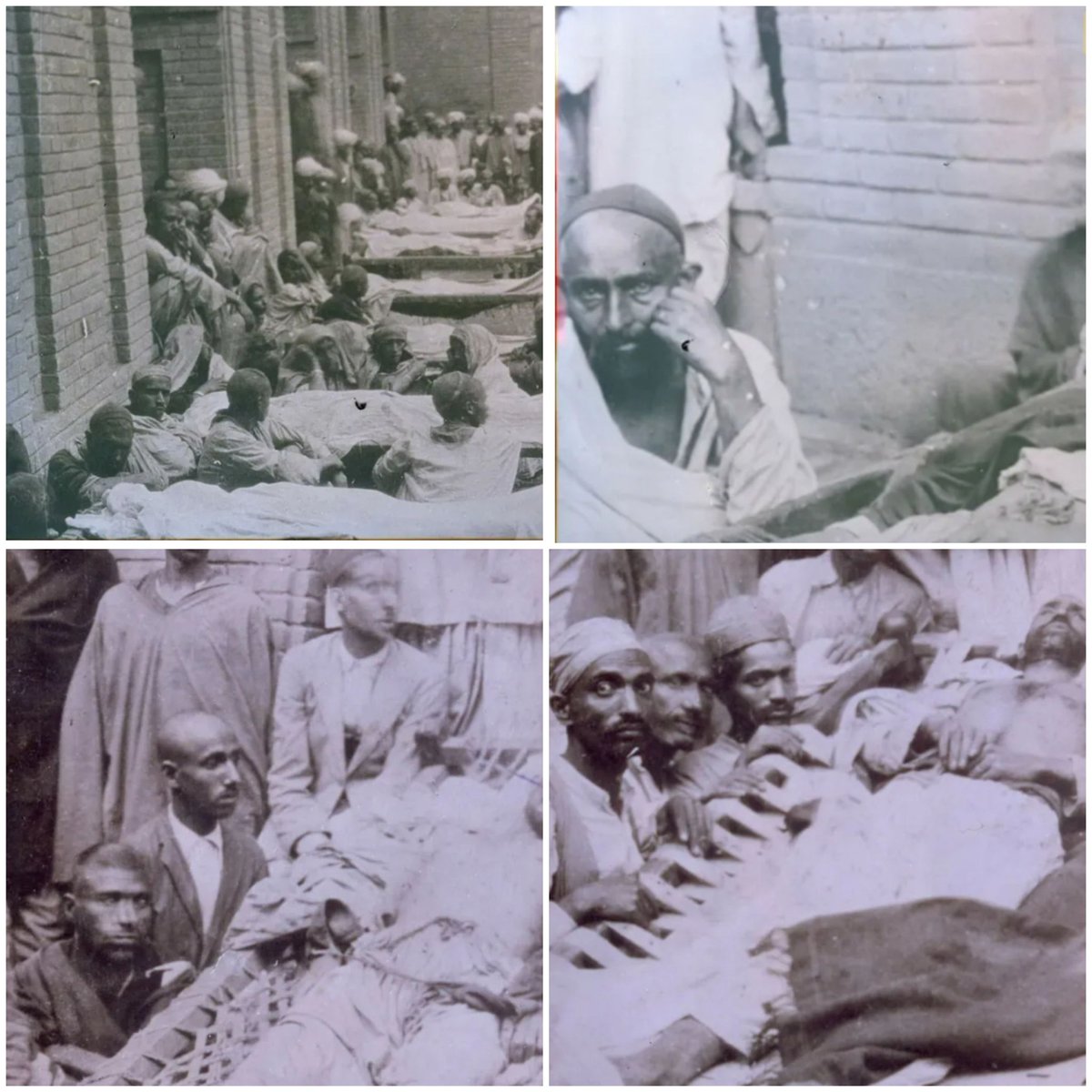
After the incident of firing, in all localities across the city loot of Hindu shops were followed. Roads of Maharajgunj were filled with goods like glass, grains, etc looted from Hindu shops, houses. Goods worth 40 Lakhs(which is equal to at least 40 crore today) looted, women molested, riots done. Srinagar was encircled and held hostage for three hours. Localities like Maharajgunj, Biijibhira, Bhurikadal, Kanikadal, Safakadal, Alikadal, Nawakadal, Hariparbat, Sher Garhi, Garhbazar, Chattabal, Sahiyar, Budgate, Nowshera, Vicharnag, etc. If you mark it these all form a major part of a city and it forms a boundary of the city as well.
“It culminated in riots, arson, loot, ravaged homes, murderous assaults on men and unspeakable atrocities on women”, GS Raghavan, The warning of Kashmir.
Ornaments were stolen, account books of bankers-lenders torn to avoid repayment of debt, ransoms were taken for protection of Hindu houses, iron safes containing lifelong savings were lying on the road, amounts kept for marriages and other occasions were wiped out in minutes. Kailash Bhatt, Srikanth Khar, Vidh Lal, Karam Chand, etc were the first hand victims, their testimonies were very difficult to read.
Allegations on Hindus and military
Allegations were made that Hindus also looted Muslim shops with military help to discredit military. One Doctor and Maulvi stated that their houses were looted by Hindus with military help, they said military men frightened them with rifles, but Brigadier refuted it as no rifles were used within city limits. These allegations against the military were there to discredit them and prove them biased, so in future they can escape the military recruitment and cry about disproportion in the military, thereby proving it’s bias. See the planning.
Loot was planned
According to Jia Lal Koul, planning of loot was done seven-eight days prior to 13th July. After the news of firing, Muslim shop owners closed their shops Gongs of mosques were ringed, people from Muslim majority areas like Sovroo came in cars and bikes to attack. Muslim shop owners supported the loot.
Hindus suffered loss of life and properties for being Hindu
Muslims in retaliation to firing attacked innocent Hindus, three Hindus were killed and 163 wounded for being Hindu. Hundreds of houses and shops were looted. 300 were arrested of which 217 were released for lack of evidence. All of this raises questions on the army, police, administration and mainly on the man who was responsible for it. Wakefield.
Wakefield: The mastermind
Wakefield played a mysterious rather suspicious role all along from the start of his tenure. We will see some of his deeds that created unrest rather than peace.
He did not attack quickly enough on information about the attack on the jail given by IGP.
He arrived at the attack spot at 3 PM.
He was Minister of Police but he did not give correct orders at the correct time.
He even did not send the military on time, help sent by King himself came quickly.
He was allegedly there at a public meeting where Abdul Qadir made that seditious speech.
He lied to incite Muslims on Quran insult issue, it was said by Muslims that he told them that insult to Quran has happened in Jammu, while it was not mentioned in the inquiry report chaired by himself, so why did he tell a lie to Muslims? To worsen the situation?
He ordered the military to stop house searches which were started after loot to recover properties, Peer Yahya told to Muslims that they need to worry as Mr. Wakefield told him that there will be no searches so they don’t need to return properties.
It was said that he was prominent in reinstatement of capital punishment to Rajputs and Brahmins
Even after so much violence, agitations, riots, at the end there was always a compromise and in each of which Wakefield was there. Criminals were often ignored, reinstated in services and pardoned, possibly under his advice.
After the riots 2 bridges were burned down, IGP told the commission that he informed Wakefield and informed him to provide military support beforehand but this was ignored and bridges were burned.
British Interest
This unfortunate incident was an opportunity for the British, they will not miss it. False reports were published calling this incident a “butury” and “massacre”. Number of deaths increased to many fold in these reports. Reports also toed the malicious line of “peaceful assembly gathered for prayer has been mercilessly shot down”. State police and eventually the government were accused of homicide. These reports have adopted the classical Muslim line of unfair treatement towards Muslims. Leading and reputed newspapers of that time have readily ignored the commission reports just to malign the Kashmir government ruled by a Hindu King.
For the British activities done with the help of the media, GS Raghavan says this in his book The warning of Kashmir.
“For a movement now directed against Kashmir there is not even a semblance of justification, it has frankly and purely been sectarian, disruptive and deliberately designed to overthrow the ruler”
“In the annals of journalism in British India, there has been nothing so disgraceful, so stultifying, so utterly bereft of decency or proprietary as the gleeful and unjust attempt made by certain newspapers to traduce Kashmir Administration and promote or prolong a disturbance resulting in loss of lives, destruction of property, ruin of women and murder of children”
“Fundamental basis of present attack on Kashmir is that it is a Hindu state”
These organizations of Muslims, across the state and beyond, were set up by the British, there was an intelligence exchange between them, they were working on the direction. People of Kashmir, out of all incidents, remember this day because they were encouraged to do so. And rest of Indians also have heard about this incident only because of biased press reports, other incidents were less, perhaps never, reported. It is enough to suggest that this incident was used by the British to prolong the unrest in Kashmir, even after independence, to take Kashmir under global set-up like the UN for its geopolitical importance.
Their first unofficial demand was to allow cow slaughter. So they started to spread rumors. King has to officially clarify that such permission will not be given.
One more demand was to allow land inheritance even after conversion of a Hindu person to Islam. But according to joint family tradition in Hinduism, on conversion of a person’s faith, land goes to other family members because if a person converts he is dead for the family. It should be kept in mind that Muslims had the highest chunk of lands in the state and such demand was not for the well being of newly converted but to reduce the Hindu share of land which was already less.
They wanted exclusive forest contracts, contracts were given to highest bidders but they wanted reservations here in doing which state has to bear losses and it was not a good precedent to set.
They wanted admission in Rajput training schools which run on Dān given to Rajputs. So along with reservations in public schools, jobs, contracts they wanted reservations in private Hindu schools as well. They went to the extent that this school is not according to Hindu philosophy as Dān is given to Brahmins only and there are Rajput Muslims as well so they should have fair share in school running for Rajputs.
They wanted 75% reservations in govt services, which was not possible citing their educational backwardness. They formed almost ~99% of the population but out of all educated people in the state 80% were Hindus. So it is obvious that Hindus will be there in services.
They mentioned that the administration favored Pandits in services, but we have already seen that it was not a favor, it was statistics, and Muslims are becoming unemployed. But there were only 50, at most 100, educated unemployed Muslims. Number of unemployed pandits would go up to five times more. So how does this Administration favoring Hindus and unemployment hold?
They objected that Pandits have monopolized services so they needed reservations. But Muslims have monopolized agricultural, arts, crafts and manufacturing industries. Did Hindus ever demand reservations in industries?
It was said that procession and public meetings were not allowed to Muslims. But everyone was treated equal in Hari Singh’s rule. There was a lathicharge on antim yatra procession of a 10 year old raped girl just after alleged Quran insult incident. So the administration cannot be accused of partiality. Reason of firing happened on 13th July 1931 was due to stone pelting, Hindus never pelted stone even after lathicharge on antim yatra.
Real reason of unrest
As we have now debunked every argument from “oppression” to “injustice” to “partiality”. So what was the real reason for these radical movements? There were of course British interests but they were using these radical movements of Muslims to further their interest. What was the reason for Muslims though?
During these agitations there was a song being sung by people,
Asi gachi asun shah sultan,
Begonah mara gai asi mussulman,
Adi ladikh kilas tai  adi jail khan,
Asi gachi asun panun sultan.
Which roughly means,
We want none but a Muslim ruler
Innocent folk, we musalmans have been killed,
Some have been interned in fort, some fling in jail,
We want none but our own ruler.
Nothing left for me now to explain the reason for unrest in Kashmir.
Conclusion
Look at these people, did they deserve to die? No.
What needed to die was religious extremism, poison, hate, intolerance and ambition of leaders like Shaikh Abdullah who used these people’s body as a ladder, as a stepping stone to advance their political career.
After using these dead bodies as a collateral they did compromise and enjoyed power. Thinking of people like Shaikh Abdullah is, “The road to power is paved with hypocrisy and casualties, never regret”. They use religion as a weapon & people fall for it.
When Allah is violently and absolutely intolerant about other Gods, how can Allah’s followers be tolerant and friendly towards the believers of those other Gods? The question gets thousand times magnified when Indian Muslims deal with polytheist Hindus of India. So, there is an urgent need to look at Indian ‘Secularism’ from this premise. The gang of Audrey Truskey, BBC, The Guardian, The Washington Post, Al Jazeera and Rana Ayyub et al conveniently suppresses this Islamic fact while paddling its ‘Breaking India’ agenda.
Following partition of British India in 1947, complete exchange of population between the countries, on the basis of religion, was rejected by the Congress government of independent India. This allowed more than 30 million of Muslims to stay back in India, who were crying Pakistan Ka Matlab Keya, La Ilaha Illallah before 15 August 1947. The Constitution makers of India tried to make a Quantum Leap by not accepting Hinduism as the state religion of independent India and allowing all its citizens, particularly the Pakistan creator Muslims, to practice, preach and propagate their respective religions in India.
During the framing of the Constitution of India, the system of state religion was very much in vogue across the world. There were dozens of Muslim majority countries with Islam as state religion. The latest was the addition of Islamic Pakistan next door. Moreover, the creation of Islamic Pakistan went through a massive blood bath in the Indian sub-continent only a few years back. Thus, Constitution makers of India, by not making Hinduism the state religion of the country, trusted on some wishful assumptions that Indian Muslims would practice religious tolerance in India and would be secular by going against the tenets of Islam.
Objecting to Navratri celebration, attacks on Kaanwariya, stone pelting on religious processions and desecration of Hindu idols and temples by some sections of Muslims have become commonplace in India. The absolute silence of the majority proportion of Muslims and a large section of Hindus about such religious intolerance of Indian Muslims have worsened the situation. The Left-Woke-Congress-Lutyens-Secular cabal finds such development to be post-2014 in origin. The cabal does not say that violence towards non-believers and their worship is ingrained in Islamic teaching.
As per the 1951 census of India, Hindus were 84.1%, Muslims were 9.8%, Christians were 2.3% and Sikhs were 1.9%. In 2022, the proportions have changed to Hindu 77%; Muslim 18%; Christian 2.4%; Sikh 1.7%. The only thing which is discernible in the data set is the sharp decline in proportion of Hindu population and sharp increase in the proportion of Muslim population in India during past seven decades. And this is a matter of real concern. The Islamic problems we face today in India is a function of massive increase in proportion of Muslim population in the country. BJP’s coming to power in 2014 was incidental only.
Among Indian Muslims, about 0.01% are against the Islamic hegemony in India. However, about 20 percent Indian Hindus are staunchly anti-Hindu. This has prompted the rise of Islamic intolerance in India. These 20% Hindus find all the problems with Hindus and Hindutva only. Muslim rule for 550 years and 200 years of British rule have made them perpetual cases of Stockholm Syndrome. Also, Macaulay had damaged their brain permanently and made them a self-loathing lot. This group of Hindus shamelessly cries that Islam is the religion of peace, when a chapter of Quran is titled The Spoils of War and dozens of verses of Quran mandate hatred and violence towards polytheist Kafir.
The Momi-Kafir divide of humans, as well as, absolute contempt for Kafir under Islam is real and followed by the Muslims around the world, generally at mental level and very often at physical level. This is a sign of Arab mental slavery of Indian Muslims too. This is the reason why after a thousand years, Islam remains alien to India. Islam stands anti-theses of everything that Indian civilization stands for. Independent India has been facing the brunt of this civilizational clash for its misplaced secularism.
Structurally Congress and all the so-called secular regional political parties of India are family business, based on competitive sycophancy. And functionally these are younger brothers of Muslim League. The evil Leftist parties are no different functionally. These parties openly side with unreasonable Muslim causes in India, but cry loudly that BJP has been dividing Indians on the basis of religion.
The Casteless Indian Muslims are sharply divided into Ashraf and Pasmanda social groups. While the former claims foreign origin and converts from high caste Hindus, the latter consists of local converts from low caste and untouchable Hindus. Pasmanda is again divided into Ajlaf (low-caste Hindu converts) and Arzal (untouchable Hindu converts). These social classes don’t inter-marry and inter-dine. Ashraf constitutes about 20% of all Indian Muslims. They are economically, socially, politically and educationally privileged and forward, whereas Pasmandas are backward and act as foot soldiers of Ashraf in all types of Islam-driven violent activities in India. But, the backwardness of Pasmanda is due to the socio-economic dominance of Ashraf.
During the recently concluded (5 October, 2022) Hindu Navaratri festival (worship of Mother Goddess), many Muslim boys tried to participate in Gabra by concealing their true identity. This created clashes at many places. Pakistan born UK based barrister Khalid Umar writes, “A Muslim has no moral or religious right to attend any Hindu festival. It is not about secularism. India is secular but Islam can’t be secular. If Islam is secular, then it is not Islam. Quran 2:193 reveals “Fight against them until idolatry is no more”.
From dress code to divorce, Indian Muslims immediately refer to the Quran. Same happens in TV debates or while presenting a case before the Supreme Court on any Islamic cause. If in all matters about life, for an Indian Muslim, Quran is ‘where the buck stops’; why Quran does not matter when it is about entering Hindu sacred celebration in the name of secularism? There are countless ‘Sahih Hadith’ prohibiting Muslims joining the festivals of idolaters. Muslim scholars have called it ‘Haraam’ for Muslims to participate in Hindu festivals.
Reasoning of Indian Muslims can be many like, ‘Takiya’ or lust or Love Jihad but certainly it is not for understanding Hinduism or a social etiquette. They conveniently adopt the makeup to suit the occasion. They are welcome to join the Hindu festivities but first they should reject the ‘Asmani Kitab’ they believe in. Indian Muslims should come back to ‘home’ first before coming to the Hindu Gods.”
In the countries where Muslims are in minority, they practice Islam-approved intrusion in the domain of Kafir in a slow and steady manner and destroy it from within. Their trying to participate in Garba is a means to that effect. But no Khalid Umar can make the likes of Shashi Tharoor, Digvijay Singh, Sitaram Yechury, Barkha Dutt and Swara Bhasker et al understand about the inherent filth in the Desert Cult. In the 75th anniversary of our Independence, we have a list of 75 Indian Hindus who were murdered in secular India for being Hindus only [https://www.opindia.com/2022/08/hindus-killed-for-being-hindus-series-75-and-still-counting-list-of-hindus-killed-in-independent-india/].
Indian Muslims swing between the Quran and Constitution as per their convenience.They don’t have any moral or ethical responsibility towards secularism. Because, the concept of secularism is foreign in Quran, which determines the morality and ethics of Muslims. Thus, secularism is the sole burden of Hindus in India. By making India secular, Hindu leaders of the Constituent Assembly and the Indira Gandhi government of 1976 had pushedasquare peg in a round hole. This is the impossibility of Indian secularism.
If you are a movie aficionado, you would have realised by now that, these days, Indian cinema is looking back at India’s history, especially its epics, with a renewed interest.
It’s a victory for the audience who have now realised the need to keep alive the stories that unite us as belonging to this great civilization.
Mani Ratnam, the genius filmmaker, has tried for long to bring alive the cinematic version of Kalki’s Ponniyin Selvan. I have grown up watching his movies and they are all very dear to me. He is the only filmmaker whose movies I crave for and await with excitement. He is a master storyteller and his depiction of human emotions, in all its vagaries, truly stands out. Right from the announcement of his movie, I will be searching for updates on the shoot, teasers, first look, trailer and then the big day arrives. FDFS.
With PS-1, Mani Ratnam enters into unchartered territory. 1) The story is out there in the world already in the form of an absolute epic that is engrained in the minds of the majority viewers of this movie. 2) The time period of the story is another constraint to his cinematic style. 3) The sheer number of characters, the grandeur, and the need to keep pace with the constant twists and turns of the story was always going to be a humungous challenge. Well, now that the movie is out there, how does he fare? A++!
The Master has outdone himself, yet again. When the movie ends and you come home and reflect over the nearly three hours of cinematic experience, you will have no choice but to bow down to the entire team for their excellence!!Beginning with the electrifying voice of Kamal Hassan to the goosebumps inducing entry of Vikram as the heroic Aditha Karikalan, you will be transported to the magnificence of the Chola era!
The casting of the movie is near perfect. While Karthi brings in a lot of energy through his portrayal of the charming Vallavaraiyan Vandiyadevan, Jayaram adds humour and flavour of the times through his performance as Alwarkadiyan Nambi! Jayam Ravi in the titular role showcases an hitherto unseen elegance and screen presence that is refreshing! He will shine in PS-2, where he will be at the center of the scheme of things. Sharath Kumar as the magnificent Periya Pazhuvettaraiyar stands tall among the plethora of artists in the movie.
But, Ponniyin Selvan is all about its two leading women characters. The heart and soul of this wonderful story. Nandhini and Kundavai. Now we know why Aishwarya Rai entered movies. It was her destiny to play Nandhini. When the curtain of the palanquin unveils and you see Nandhini, your heart will skip a beat or two! What screen presence! The face-off between Nandhini and Kundavai is brilliantly shot. The aerial shot of the two women and their entourage turning to face each other will have you clapping and hooting! Trisha is truly blessed to play the elegant and wise Kundavai.
Ace cinematographer, Ravi Varman, had his challenges cut out and he delivers his most brilliant work, thus far! Editor par excellence, Sreekar Prasad would have had the most difficult task to cut down the runtime, considering the loads of brilliant shots that would have been at his disposal.
With PS-1, the stage is set for the story to really take off in PS-2! On watching PS-1, we realise why it took ages for this story to reach the silver screen. Even with this huge a budget, we still feel that the war sequences could have been better. Also, this is definitely not ARR’s best work. I also wish he would stop himself from singing his songs. He has quite literally murdered the Ponni Nadhi song. Anyways, the excitement continues as I await for the release of PS-2!
PS: Huge gratitude to Kadhai Podcast and Kavitha Jeeva for revealing to me Kalki’s Ponniyin Selvan through 245 odd memorable episodes.